
Balinese Ceremony Photography: A Complete Guide to Documenting Bali’s Rituals

Juara Production Editorial Desk
July 17, 2026
8 min read
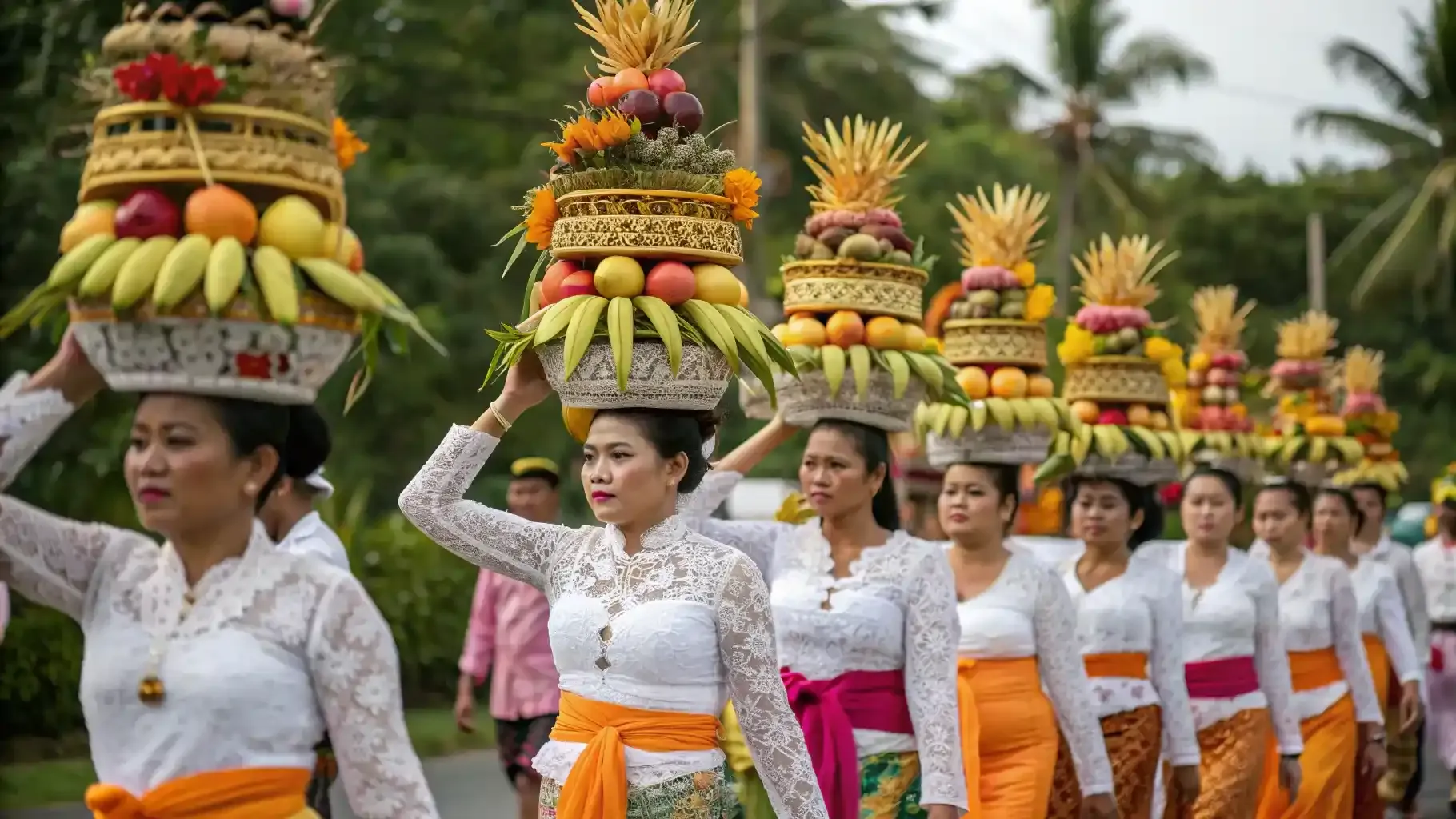
Balinese ceremony photography is about much more than taking beautiful pictures. It is the art of documenting sacred Hindu rituals, family traditions, and community celebrations while respecting Balinese customs, religious values, and ceremonial etiquette. Whether you are a local family, an expatriate, or a traveler invited to a traditional ceremony, hiring an experienced cultural photographer ensures every meaningful moment is preserved respectfully.
Capturing a Balinese ceremony begins with understanding that every ritual carries deep cultural and spiritual meaning. This guide explains everything you need to know about Balinese ceremony photography, including the different types of ceremonies, photography etiquette, essential moments to capture, pricing expectations, the pros and cons of hiring a professional photographer, and practical tips for choosing the right photography service in Bali.
Key Takeaways
- Balinese ceremony photography requires a different approach from regular event or wedding photography because of sacred rituals and cultural protocols.
- Major Balinese ceremonies including Odalan, Ngaben, Melasti, Tooth-Filing (Potong Gigi), and Traditional Balinese Weddings each require different photography techniques and etiquette.
- Professional photographers understand local customs, permissions, and respectful positioning throughout the ceremony.
- Juara Production offers professional Balinese ceremony photography and can bundle documentation with a Bali Premium Trip experience for international visitors.
What Is Balinese Ceremony Photography?
Balinese ceremony photography is the professional documentation of Bali’s religious and cultural ceremonies while respecting spiritual traditions and local customs. Unlike general event photography, its primary purpose is to preserve authentic cultural moments without disturbing sacred rituals.
Balinese ceremony photography focuses on storytelling rather than staged portraits. Every offering, prayer, procession, traditional costume, and emotional family interaction contributes to a complete visual narrative. At Juara Production, photographers prioritize documenting events naturally while maintaining appropriate distance from sacred spaces.
The service differs significantly from ordinary wedding or event photography because photographers must understand ceremonial timing, temple etiquette, dress codes, and areas where photography may be restricted. Some rituals permit close documentation, while others require photographers to remain outside designated sacred zones after obtaining permission from the family or temple authorities.
Cultural sensitivity is equally important. Experienced photographers coordinate with family members, community leaders, or pemangku (Balinese Hindu priests) before the ceremony begins to ensure photography respects local customs and religious practices.
What Types of Balinese Ceremonies Need Professional Documentation?
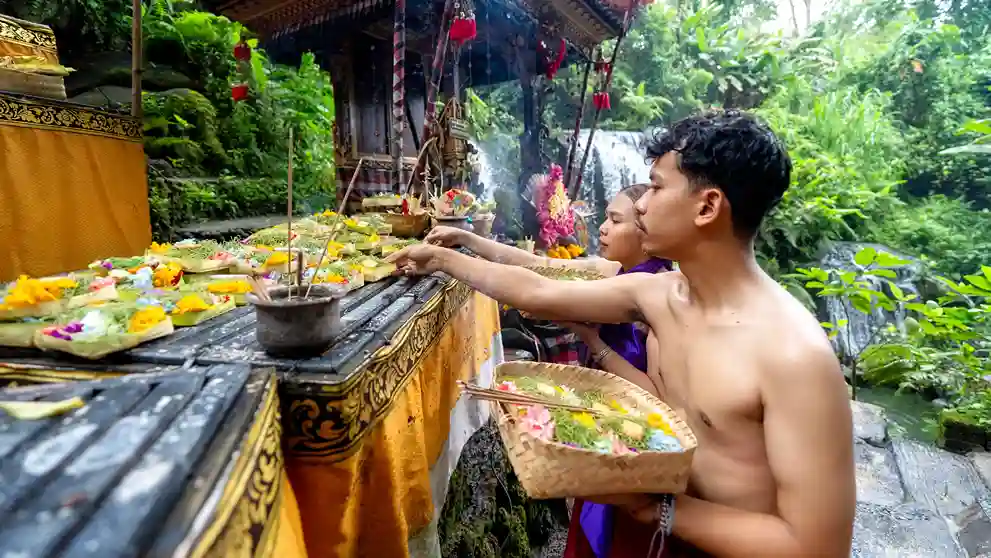
Many Balinese ceremonies happen only once or at long intervals, making professional documentation especially valuable. Each ceremony has its own spiritual meaning, pace, and photography challenges. Because ceremonies vary greatly in duration, participant numbers, and religious protocols, experienced photographers prepare differently for each event. Understanding the flow of every ritual allows Juara Production to anticipate important moments without interrupting the ceremony.
1. Odalan (Temple Anniversary Ceremony)
Odalan is a recurring temple anniversary ceremony that celebrates the spiritual foundation of every Balinese temple. Odalan ceremonies typically include colorful offerings, traditional dance performances, gamelan music, communal prayers, and elaborate temple decorations. The atmosphere is vibrant while remaining deeply spiritual. Many Odalan ceremonies last from several hours to multiple days depending on the temple. Photographers must move carefully through crowded temple grounds while respecting worshippers and ceremonial processions.
2. Ngaben (Balinese Cremation Ceremony)
Ngaben is one of Bali’s most significant Hindu ceremonies, symbolizing the soul’s journey toward reincarnation. The ceremony is emotionally meaningful for families while visually rich with ceremonial towers (bade), traditional clothing, processions, and symbolic rituals. Because Ngaben is highly sacred, photography requires prior family approval and respectful positioning throughout the ceremony. Professional photographers understand which moments should be documented and when privacy should take priority.
3. Melasti (Purification Ceremony)
Melasti is a purification ceremony held before Nyepi, where sacred temple objects are brought to the sea or other water sources for ritual cleansing. Melasti creates stunning visual opportunities as long processions dressed in white traditional attire move toward Bali’s beaches or lakes carrying ceremonial objects. Lighting conditions often change rapidly during Melasti, requiring photographers experienced with outdoor documentary photography while remaining respectful of religious activities.
4. Potong Gigi (Tooth-Filing Ceremony)
The Balinese Tooth-Filing Ceremony marks an important transition into adulthood. The ceremony is usually more intimate than major temple festivals, emphasizing family traditions, blessings, and symbolic rituals rather than large public gatherings. Professional photography captures emotional interactions between family members alongside intricate ceremonial details that might otherwise be overlooked.
5. Traditional Balinese Wedding Ceremony
Traditional Balinese weddings combine marriage celebrations with important Hindu religious rituals. Unlike destination weddings focused mainly on couples, traditional ceremonies include extended families, ancestral blessings, temple rituals, and cultural symbolism. Photographers need both documentary skills and cultural understanding to preserve the complete story of the wedding day.
Why Does Balinese Ceremony Photography Require a Different Approach?
Balinese ceremony photography requires cultural knowledge because respecting religious traditions is just as important as capturing beautiful images. Professional photographers understand when to photograph discreetly, where they may stand, and which ritual moments should never be interrupted. This awareness helps preserve the ceremony’s sanctity while still creating meaningful documentation.
At Juara Production, our team regularly coordinates with families, ceremonial organizers, and local religious leaders before coverage begins. This preparation minimizes disruption and ensures photography aligns with community expectations. Photographers also follow appropriate dress codes by wearing traditional sarongs and temple attire whenever required. Maintaining respectful distance from sacred spaces is essential throughout the ceremony.
Read more: How Documentation Boosts Event Success in Bali? Find Out Here!
What Key Moments Should Be Captured During a Balinese Ceremony?
The most meaningful Balinese ceremony photography captures the complete story of the ceremony, not just individual portraits. Every Balinese ritual includes important cultural, spiritual, and emotional moments that together tell the full story of the event. Focusing on these key moments helps preserve both the ceremony’s significance and the memories shared by family and the community. The most important moments to document include:
- Ceremony preparations: Capture family members preparing offerings, dressing in traditional attire, and making final arrangements before the ceremony begins.
- Prayer rituals and offerings: Photograph the sacred prayers, canang sari, and other ceremonial offerings that represent the spiritual heart of the event.
- Family and community interactions: Document genuine emotions, blessings, and interactions between family members, relatives, and the local community throughout the ceremony.
- Traditional attire and ceremonial details: Highlight intricate clothing, accessories, temple decorations, and sacred objects that reflect Bali’s rich cultural heritage.
- Processions and closing blessings: Record the ceremonial procession and final blessings to complete the visual story from beginning to end.
How Much Does Balinese Ceremony Photography Cost?
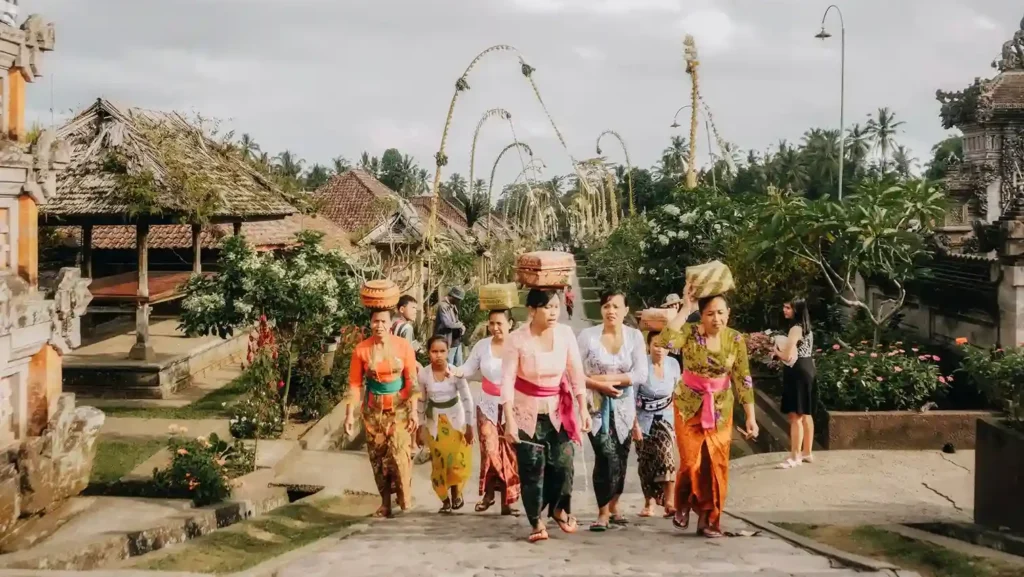
Balinese ceremony photography packages generally range depending on coverage duration, editing requirements, and ceremony complexity. Pricing varies because each ceremony differs in duration, travel requirements, participant numbers, and post-production work. Larger ceremonies often require additional photographers to ensure comprehensive coverage. The final quotation usually depends on location, ceremony schedule, photographer team size, drone usage (where permitted), and album or video add-ons.
Hiring a professional photographer is generally the best option when documenting sacred Balinese ceremonies because cultural sensitivity is just as important as image quality. Although visitors can take respectful photos during public ceremonies, professional documentation ensures important moments are preserved without unintentionally violating local customs.
DIY photography works well for casual travel memories but has several limitations. Visitors may not know ceremonial schedules, appropriate photography locations, restricted areas, or local etiquette. Missing key moments is common because ceremonies often move quickly. Professional photographers combine technical expertise with local cultural understanding.
Tips for Choosing the Right Balinese Ceremony Photographer
Choosing the right Balinese ceremony photographer ensures your ceremony is documented professionally while respecting Bali’s cultural and religious traditions. Beyond technical photography skills, look for someone who understands the customs, etiquette, and storytelling required for documenting sacred ceremonies. Here are five tips to help you choose the right photographer:
- Compare Pricing and Package Details: Choose a package with transparent pricing that clearly explains the coverage duration, included deliverables, travel fees, and any additional services to avoid unexpected costs.
- Review Complete Ceremony Portfolios: Look beyond highlight photos and ask to see full ceremony galleries. This shows how consistently the photographer captures every stage of the event, from preparations to the closing blessings.
- Choose a Photographer with Cultural Experience: Select someone who has documented Balinese ceremonies before and understands temple etiquette, local customs, and the importance of respecting sacred spaces.
- Discuss the Ceremony Before the Event: A professional photographer should communicate with you in advance to understand the ceremony schedule, important family traditions, photography restrictions, and the key moments you want to preserve.
- Check Editing Quality and Delivery Timeline: Ask about the editing style, the number of edited photos included, and how long it will take to receive the final gallery so your expectations are clear.
Read more: Cultural Photography in Bali: Explore the Heart of Bali’s Rich Heritage
Book Balinese Ceremony Photography with Juara Production
Balinese ceremony photography is about more than preserving beautiful images it is about documenting sacred traditions, family heritage, and cultural moments with respect and authenticity. From understanding ceremony etiquette and obtaining the necessary permissions to capturing every important ritual and emotional interaction, choosing the right photographer ensures each ceremony is documented professionally while honoring Bali’s living traditions.
To document these once-in-a-lifetime moments with care and professionalism, partner with a photography team that understands both visual storytelling and Balinese cultural traditions. Juara Production offers professional Balinese ceremony photography services tailored to different types of ceremonies, providing respectful documentary coverage, high-quality edited images, and personalized planning before the event. Contact Juara Production today to discuss your ceremony, photography services in Bali requirements, and receive a customized package designed specifically for your event.

Frequently Asked Questions
Related Article
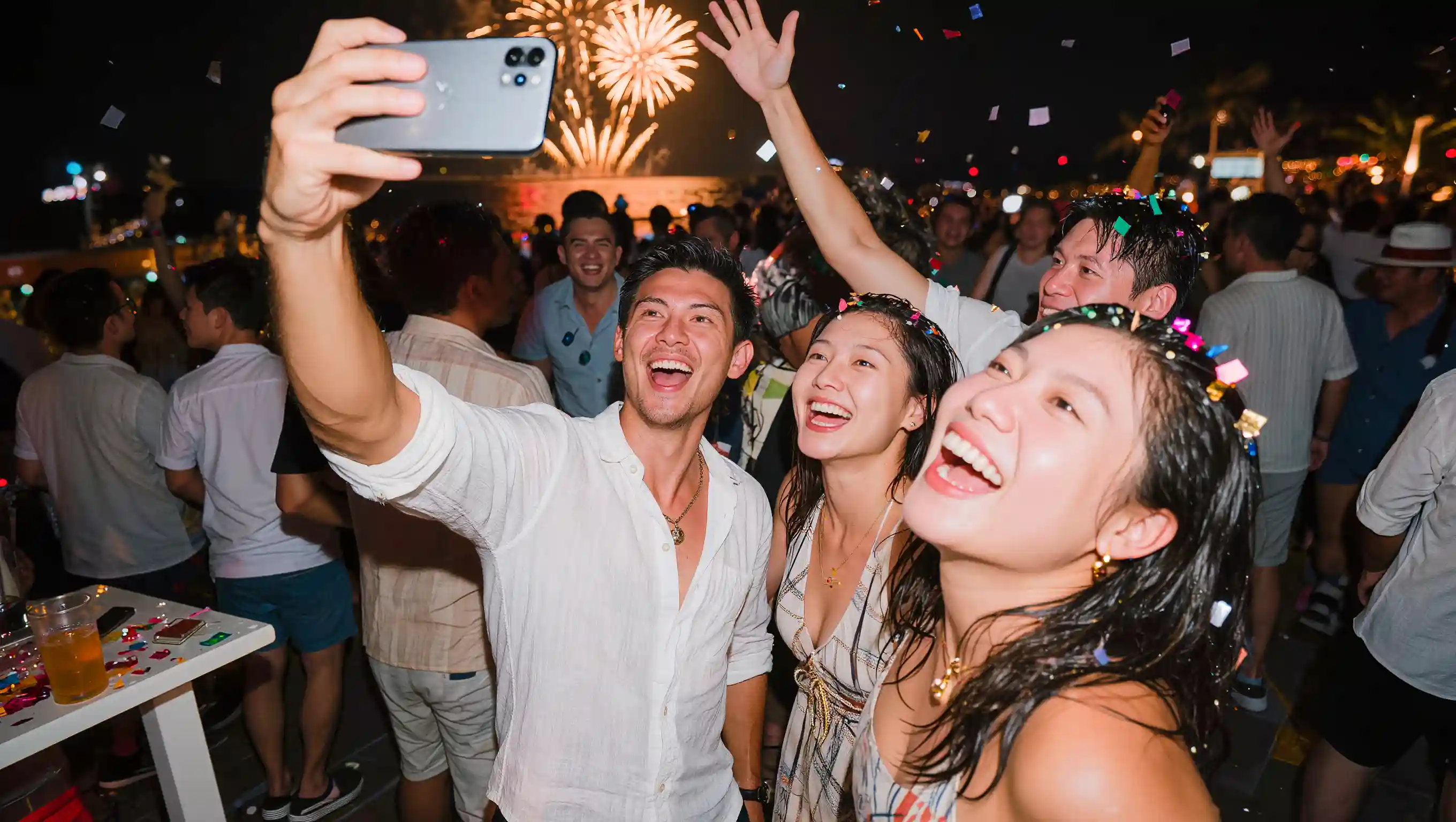
New Years Eve Event Photography Bali: Freeze the Final Moments of the Year
The final seconds of the year in Bali seem to...
The final seconds of the year in Bali seem to vanish in the blink of an eye. The countdown builds...
Year End Event Photography Bali: Capture the Season’s Final Celebrations
As the year draws to a close, Bali turns into...
As the year draws to a close, Bali turns into a warmly lit stage for celebration. String lights hang between...
New Year Party Videography Bali: Relive the Countdown in Motion
There’s a sound that defines a New Year’s Eve party...
There’s a sound that defines a New Year’s Eve party in Bali, the crowd’s voices rising together as the countdown...
