
Pre-Production vs Post-Production Bali: What Happens Before and After the Camera Rolls

Juara Production Editorial Desk
August 14, 2026
10 min read
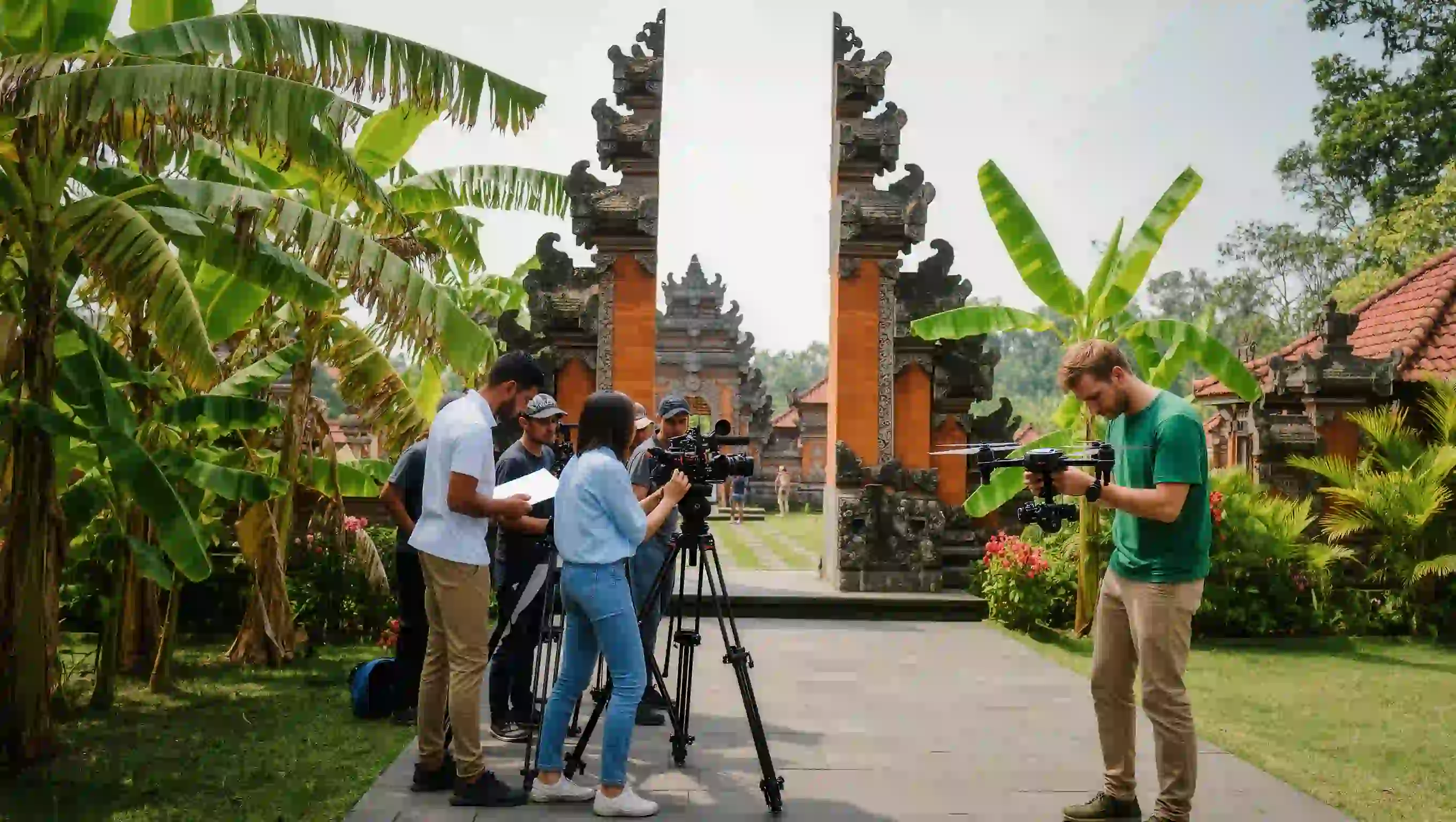
A stunning wedding film or brand video shot in Bali can look effortless the camera glides through a ceremony, catches golden light at just the right moment, and somehow every scene flows into the next. But that sense of effortlessness is almost never accidental. It’s the result of two very different bodies of work, most of which happen far away from the moment anyone actually presses record.
So what’s really going on before and after the shoot itself? The answer lies in understanding pre-production vs post-production two distinct phases of the filmmaking process that shape a final video just as much as, if not more than, the shoot day itself. One happens before the camera ever rolls; the other happens long after it stops.
Key Takeaways
- Pre-production covers everything planned before filming concept development, location scouting based on season and lighting. It’s invisible in the final video, but it sets the foundation for how smoothly shoot day runs.
- Post-production covers everything done after filming wraps organizing and reviewing footage, editing from rough cut to fine cut, color correction and grading to unify footage across different lighting conditions.
- Strong pre-production directly reduces work later in post-production a well-scouted location means less correction work, and a thoughtfully planned shot list gives editors more usable footage, which shortens the overall editing timeline.
- Weak pre-production tends to surface as extra work in post-production missed shots or a rushed, overly ambitious shot list often forces editors to compensate creatively or a weaker final result.
- Juara Production, which manages pre-production and post-production as one connected process, helps keep a project cohesive from first scout to final export.
What Is the Film Production Process: Pre-Production vs Post-Production?
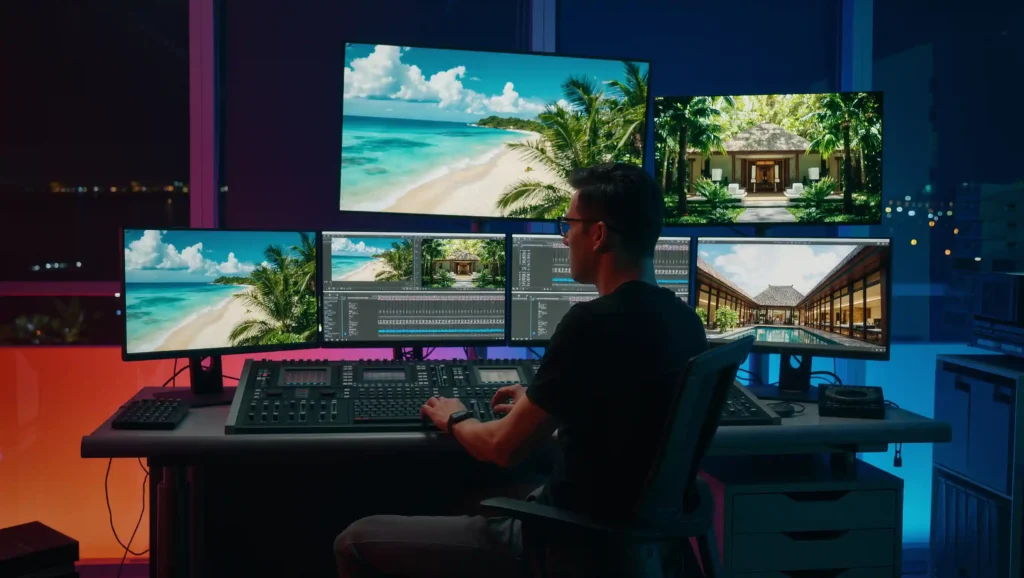
Pre-production is the critical planning stage in the film production process, and it begins after the script is approved and financing is secured. It covers strategy, logistics, budget planning, and creative blueprinting led by producers, the director, and location scouts.
| Pre-Production | Post-Production | |
|---|---|---|
| When it happens | Before filming | After filming |
| Main focus | Planning and preparation | Editing and refinement |
| Typical tasks | Concept, scouting, scheduling, permits | Editing, color, sound, delivery |
| Who’s involved | Producers, planners, clients | Editors, colorists, sound designers |
| Goal | Set the shoot up to succeed | Turn raw footage into a finished story |
| Weak execution means | Missed shots, wasted shoot time | More revisions, longer turnaround |
Typical tasks include locking the script, building the shot list, scouting and securing locations, casting the cast and other actors, coordinating schedules with clients and vendors, arranging permits, and preparing equipment and crew for shoot day. It’s largely invisible to the final audience, but it’s what determines whether a shoot day runs smoothly or turns into constant problem-solving.
Post-production, by contrast, is the finishing phase after filming wraps, focused on execution refinement and storytelling assembly in controlled digital environments or specialized editing suites. It includes editing footage into a coherent story, correcting and grading color, sound design, visual effects, and preparing the final files for delivery, typically with film editors, colorists, and sound designers leading that work.
In Bali, where shoots often involve multiple locations, tight timelines, and unpredictable tropical weather, pre-production vs post-production isn’t just a sequence of steps the quality of planning in one phase directly shapes how much work, and how many creative options, are available in the other.
Why Do Pre-Production and Post-Production Matter in Bali?
Bali’s mix of stunning but unpredictable locations, tight international travel schedules, and a fast-moving wedding and tourism industry means each production stage is shaped by local customs, logistics, and weather as much as by creative planning. Here’s why treating them as equally important matters so much in this setting.
- Weather and Light are Hard to Control
Bali’s tropical climate can shift quickly, with monsoon seasons and intense tropical humidity, so pre-production planning around timing and backup locations directly reduces problems that would otherwise land on post-production to fix. - Locations Often Require Permits and Coordination
Temples, private villas, and public beaches all have different access rules, and sacred locations and some villages may also require specific clearances and permissions, so missing this step in pre-production can derail an entire shoot day. - International Clients Work on Tight Timelines
Couples and brands flying in and out of Bali need a clear pre-production schedule so the shoot fits within a short visit, and efficient post-production to deliver before they leave. - Multiple Locations in One Day are Common
A Single wedding might move between a villa, a beach, and a reception venue, and pre-production logistics planning is what keeps that transition realistic on the day. - Post-production Has to Unify Very Different Environments
Footage from jungle, ocean, and indoor venues needs consistent editing and color work to feel like one cohesive story, which is far easier when pre-production already planned for those transitions. - Rushed Planning Shows up Later as Rushed Editing
Missed shots or disorganized footage from poor pre-production often forces editors to compensate creatively in post, usually at the cost of time or quality.
Bali shoots require cultural etiquette, respect for active religious traditions, and proper representation when Balinese traditions appear on camera.
Read more: Video Post-Production Services in Bali: Everything You Need to Know Before You Hire an Editor
Core Elements of Pre-Production and Post-Production in Bali
Pre-production in Bali typically starts well before the shoot date and can last from weeks to months before filming begins, especially for weddings and brand projects. It begins with defining the concept and story the client wants told, then moves into location scouting a critical step given how differently each part of the island photographs depending on the season and time of day. From there, producers coordinate permits for temples or public spaces, develop storyboards, build a realistic shot list, shooting schedule, and budget, and confirm logistics like transportation between locations, which matters more in Bali than in a single-venue shoot elsewhere.
After principal photography is completed, post-production takes over with its own sequence and can also run for weeks to months depending on scope. Editors first organize and review all the raw material, building a rough structure before refining the pace in a fine cut. At that point, the editor leads the process alongside the director until the picture is locked. Color correction follows, balancing footage shot across the different lighting conditions a Bali shoot typically involves, before color grading shapes the final creative look. Sound design, visual effects, the locked picture, the final mix, and export round out the process, ensuring the final product is complete and optimized for however the client plans to use it whether that’s a cinema-style highlight film, a social media cutdown, or a full-length archive video.
The two phases are more connected than they might appear. A well-scouted location with good natural light reduces the correction work needed later, and a well-planned shot list gives editors more usable footage to build a stronger story from. When either phase is rushed, the other has to compensate which is usually where the final result starts to show cracks.
Who Needs Strong Pre-Production and Post-Production in Bali?
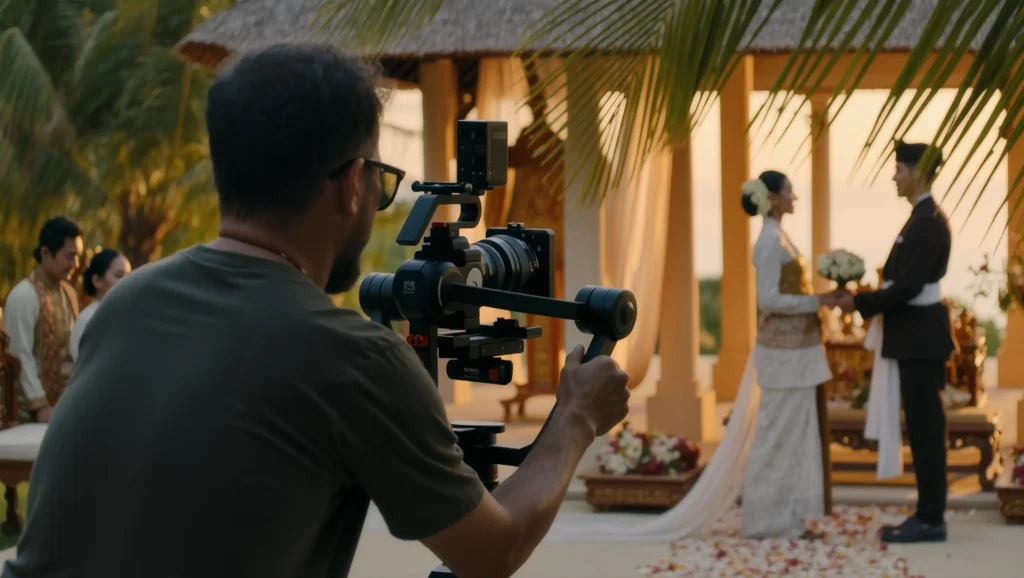
Not every project has the same stakes riding on planning versus editing, but nearly every project benefits from taking both phases seriously. Here’s who tends to get the most value out of understanding this distinction.
- Destination Wedding Couples
Depend on tight pre-production logistics to make a multi-location day work within a short trip, and skilled post-production to turn it into a cohesive film. - Hospitality and Villa Brands
Need careful location planning to showcase a property at its best, paired with polished editing that matches brand standards. - Travel Content Creators
Often work on compressed schedules, making efficient pre-production planning essential to capturing enough usable footage in limited time. - Corporate and Event Clients
Rely on detailed pre-production coordination for logistics and permissions, plus clean, professional post-production for stakeholder-ready content. - Production Teams Managing Multiple Shoots per Week
Need repeatable pre-production systems to avoid last-minute scrambling, which keeps post-production timelines predictable. - Clients Working with Tight Travel Windows
Benefit most from realistic pre-production scheduling that leaves post-production enough time to deliver before they fly home.
Whichever category you fall into, a few practical habits make the difference between a shoot that runs smoothly and one that creates extra work later.
Tips for Managing Pre-Production and Post-Production in Bali
Even with a clear understanding of what each phase involves, a handful of practical habits tend to separate a smooth production from one full of last-minute scrambling. These aren’t complicated systems they’re deliberate choices made early and followed through consistently.
Scout Locations With the Season in Mind
Bali’s weather patterns shift noticeably between the dry and wet seasons, and a location that looks stunning in one season can be a logistical headache in another. Scouting with the actual shoot date’s likely conditions in mind not just how a location looks in old photos helps avoid last-minute location changes that eat into both planning time and shoot-day confidence.
Build a Realistic Shot List, Not a Wish List
It’s tempting to plan an ambitious shot list covering every possible angle and location, but this planning happens before filming starts and can stretch for weeks to months before shooting, so overly ambitious choices often lead to rushed execution on the day, wasted money, and more problems for editors to solve in post, where the film is shaped again through writing. A shot list built around realistic timing, including travel time between locations, protects both the shoot day and the editing process that follows. In short, pre-production pays because script locking, casting, and budgeting realistically prevent expensive problems later.
Confirm Permits and Access Early
Some of Bali’s most photogenic locations, particularly temples and certain private beaches, require permits or advance coordination that can take days or weeks to arrange. Leaving this until the last minute is one of the most common causes of a shoot day falling apart, regardless of how well everything else was planned.
Brief the Post-Production Team Before the Shoot
Sharing the intended story, mood, and final use of the footage with editors before filming not just after lets them flag potential gaps in the shot list during pre-production, when there’s still time to adjust, rather than discovering missing coverage once editing has already begun. Clear handoff notes after the shoot help editors move faster, support creative direction, and avoid gaps where projects can fail. In Bali, data management needs extra care because humidity can put recorded media and equipment at risk, and projects involving Balinese traditions may also need review from local cultural consultants during post-production.
Treat Pre-Production and Post-Production as One Continuous Process
The strongest results come from teams who treat pre and post production as connected stages of the same project, with post-production beginning after filming is completed rather than as a separate handoff. A producer who understands post-production’s needs plans smarter, and an editor who understands the pre-production plan can make faster, more confident creative decisions once the footage comes in, helping complete the final edit with fewer avoidable revisions. Putting all of this into practice takes more than good intentions it takes a team that manages both ends of the process as one seamless workflow.
Read more: 8 Common Mistakes in Product Video Production That Ruin Your Marketing
Plan and Deliver Your Bali Project with Juara Production
Understanding pre-production vs post-production makes it easier to see why a stunning final video is rarely the result of one great shoot day alone it’s the product of careful planning beforehand and skilled editing afterward, each supporting the other. When either phase is treated as an afterthought, the gap tends to show in the final result.
If you’re planning a wedding, brand shoot, or event in Bali and want a team that handles the full workflow with equal care, Juara Production’s Creative Production Services cover everything from initial planning through post, which often runs around 4 to 12 weeks depending on the edit scope and delivery needs, to final delivery for release across your intended platform or screen, whether that’s a digital campaign, live event, or longer-form film.
Frequently Asked Questions
Related Article
Corporate Christmas Party Photography Bali: Capture Your Team’s Brightest Night of the Year
When December arrives, Bali takes on a different glow. Fairy...
When December arrives, Bali takes on a different glow. Fairy lights wrap around frangipani trees, long dinner tables stretch across...

New Years Eve Event Photography Bali: Freeze the Final Moments of the Year
The final seconds of the year in Bali seem to...
The final seconds of the year in Bali seem to vanish in the blink of an eye. The countdown builds...
Year End Event Photography Bali: Capture the Season’s Final Celebrations
As the year draws to a close, Bali turns into...
As the year draws to a close, Bali turns into a warmly lit stage for celebration. String lights hang between...
