
Mountain Photography Bali: Everything You Need to Know Before Shooting in the Highlands

Juara Production Editorial Desk
July 27, 2026
11 min read
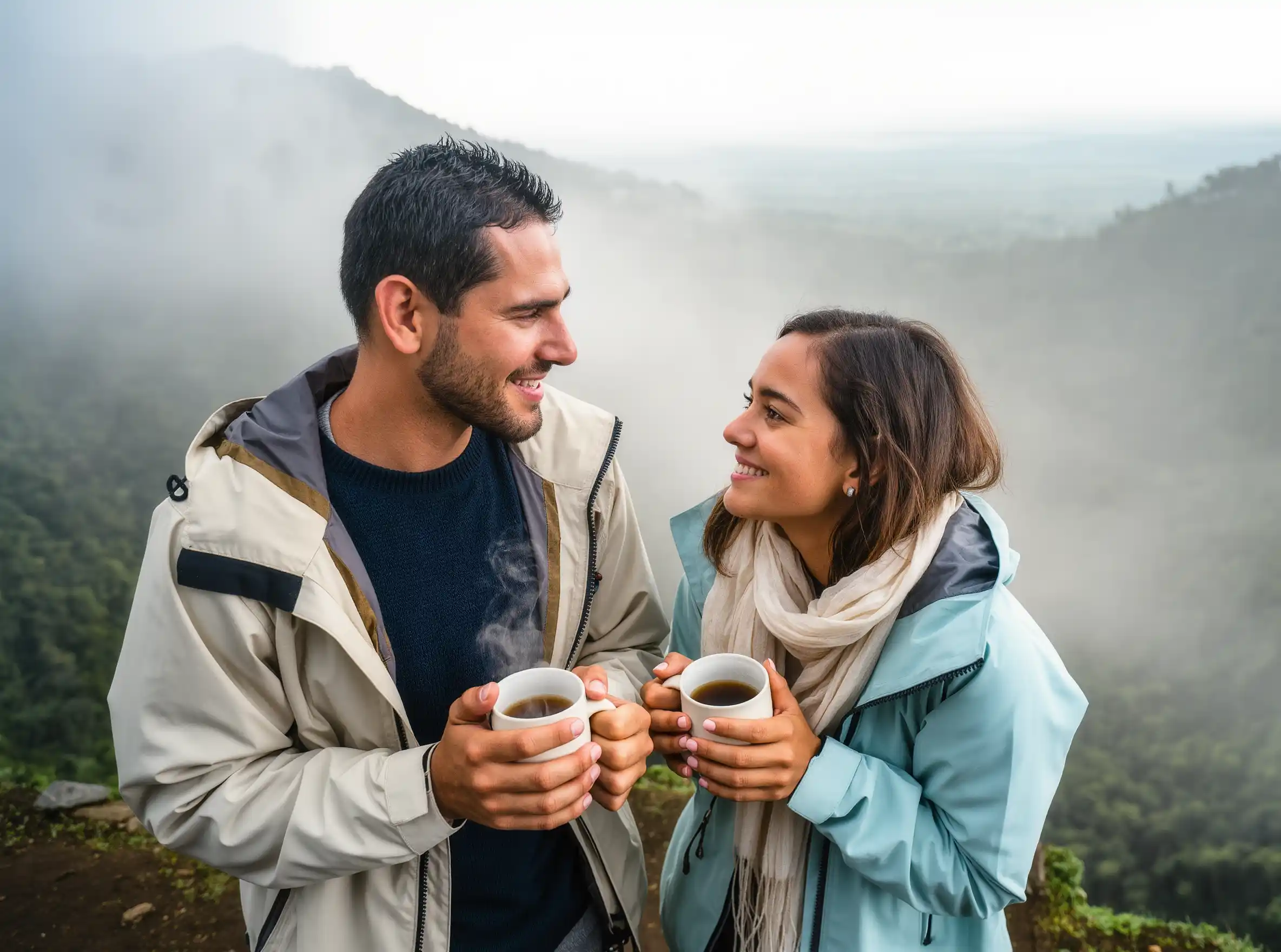
There’s a version of Bali that most visitors never slow down enough to see: cool mist curling over volcanic ridges, terraced hillsides catching the first gold of morning, and a silence broken only by wind moving through pine trees. Away from the beach crowds, the island’s highlands hold a quieter, more dramatic beauty one that rewards anyone willing to wake up before sunrise and climb a little higher.
If you’ve ever wondered how to translate that highland stillness into images you’ll keep for a lifetime, the answer lies in Mountain Photography Bali. In this article, you’ll learn what mountain photography actually involves, why it matters in a Bali context, the core elements that separate a stunning highland shot from an ordinary one, who this style of photography suits best, and practical tips for planning a session at Kintamani, Batur, or Munduk.
Key Takeaways
- Mountain Photography Bali captures the island’s volcanic highlands Kintamani, Mount Batur, and Munduk offering a cooler, more dramatic visual story than the beaches and rice terraces most travelers already photograph.
- Golden hour and misty mornings are what separate flat, ordinary shots from genuinely striking ones, since the same viewpoint can look completely different an hour later once the haze sets in.
- The best sessions blend technical skill reading light, altitude, and shifting weather with real storytelling, rather than treating the mountains as just a scenic backdrop.
- This kind of photography suits adventure-minded couples, honeymooners, nature-focused travelers, families, and content creators alike, not just one type of client.
- Working with a professional local team like Juara Production ensures safer access to remote viewpoints, better timing around fast-changing weather, and images that genuinely reflect Bali’s highland character rather than a generic mountain backdrop.
What Is Mountain Photography?
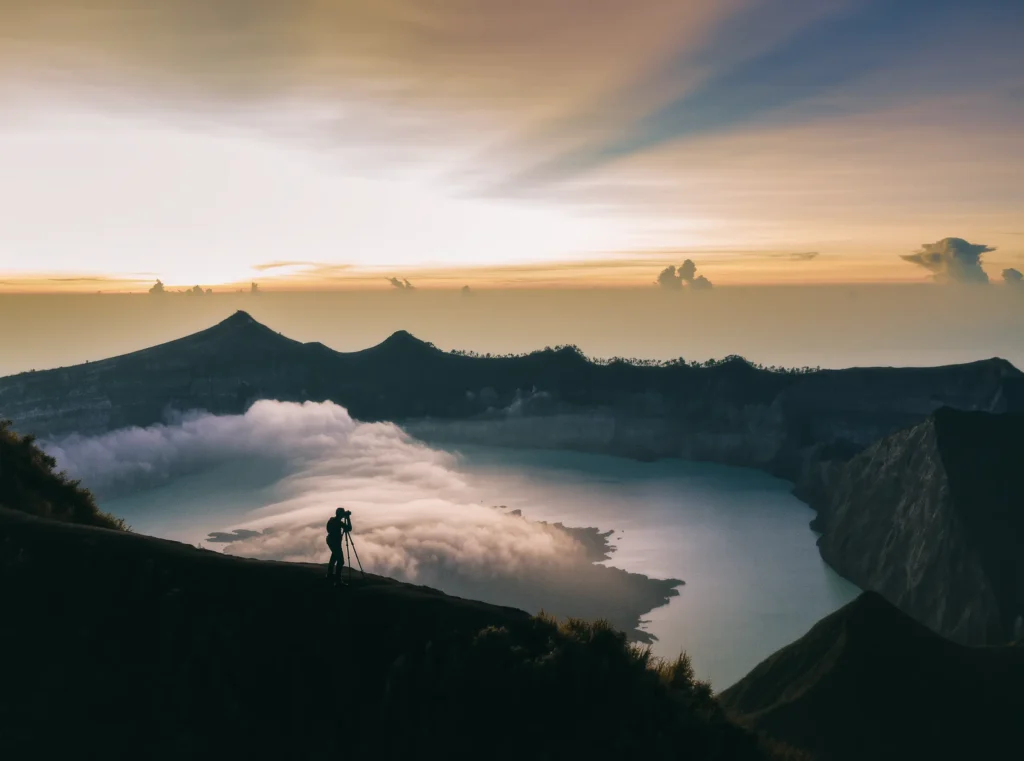
Mountain photography is a genre focused on capturing landscapes, portraits, or events set against elevated, often volcanic or forested terrain. It leans on natural elements fog, altitude light, layered ridgelines, and dramatic weather to create images with a sense of scale and atmosphere that flatland or beach settings rarely offer.
In Bali specifically, mountain photography takes on its own character. The island’s volcanic backbone Batur, Agung, and the Munduk highlands creates a landscape unlike anywhere else in Southeast Asia: crater lakes ringed by mist, coffee and clove plantations climbing steep slopes, and temples perched on ridgelines that seem to float above the clouds. Photographing here means working with altitude, shifting weather, and light that changes by the minute.
Why Is Mountain Photography Important in Bali?
Bali’s reputation is built almost entirely on its coastline but that same familiarity is exactly why the highlands matter so much for photography. As more travelers arrive chasing the same beach clubs and rice-terrace viewpoints, images from the volcanic interior stand out simply by being rarer.
Beyond novelty, the highlands also offer technical and cultural advantages that beach settings can’t match, from the quality of the light to the deeper meaning tied to the island’s volcanoes. The reasons below go beyond aesthetics they explain why more couples, travelers, and creators are actively choosing the mountains over the shoreline.
- It Shows a Side of Bali Most People Miss
The vast majority of visitor photos come from beaches and rice terraces. Highland imagery stands apart, offering something genuinely distinctive for anyone wanting their Bali memories to look different from everyone else’s. Because so few visitors make the early-morning trip up to Kintamani or Munduk, the resulting images also tend to feel more personal and less like a shot every other tourist already has. - The Light Quality is Exceptional
At altitude, early morning light is softer, cooler, and often filtered through mist a quality that’s difficult to recreate anywhere near sea level. This diffused light is naturally flattering for portraits, reducing harsh shadows on the face while still allowing the surrounding landscape to remain richly detailed, something photographers often have to fake with equipment at lower altitudes. - It Captures Bali’s Volcanic Identity
Mount Batur and Mount Agung are central to Balinese cosmology and daily life. Photographing in the highlands connects images to that deeper cultural landscape, not just a scenic backdrop. For travelers who want their photos to say something about Bali itself not just about a pretty setting this cultural layer gives the images more lasting meaning. - Weather Creates Natural Drama
Shifting clouds, sudden clearings, and low-hanging fog give every shoot a different mood, which means every set of images feels unique rather than templated. No two highland sessions look quite the same, since the exact position of the mist, the break in the clouds, or the color of the sky changes from one morning to the next. - It Appeals to a Growing Type of Traveler
More visitors are seeking adventure and nature-based experiences over purely resort-style stays, and highland shoots match that shift in demand. This makes mountain photography a natural fit not just for couples, but for travelers building a broader story of their trip through hiking, coffee plantations, and local village life along the way. - It Photographs Beautifully Across Seasons
Unlike beach shoots that depend heavily on tide and sun glare, misty highland mornings are consistently photogenic for much of the year. Even during Bali’s wetter months, cloud cover at altitude often produces softer, more atmospheric conditions rather than ruining the shoot outright, which gives more flexibility when scheduling a session around a trip.
Core Elements of Visual Storytelling in Stunning Mountain Photography in Bali
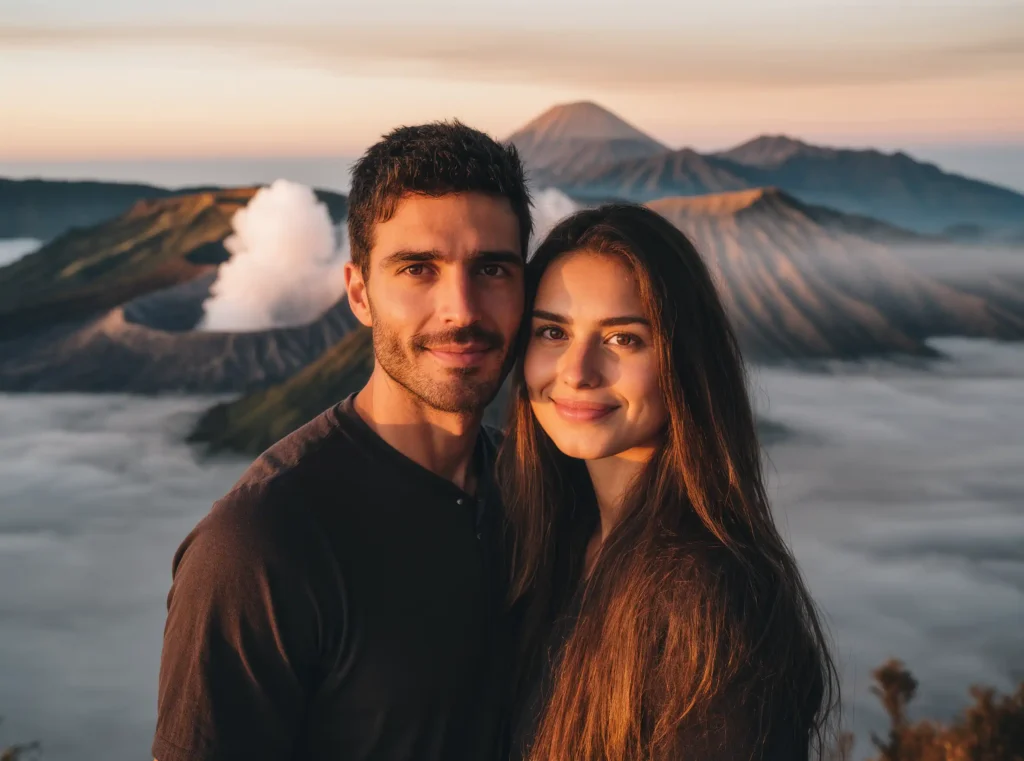
Getting a highland shoot right starts with light. Golden hour at altitude behaves differently than at the coast the sun clears the horizon later behind the ridgelines, and mist often lingers well past sunrise, softening everything it touches. It is also the best time to highlight mountain ridges and low valley mists with soft directional light. A skilled photographer times the shoot around this window, sometimes starting in near-darkness so the camera is ready the moment the first light breaks through the clouds.
Location choice matters just as much as timing. Kintamani’s crater rim offers sweeping views over Lake Batur, Munduk’s forested ridges give a cooler, greener palette, and smaller viewpoints along the Batur caldera provide more intimate, less crowded framing. Each location produces a distinctly different visual story, so the choice should match the mood the client is after dramatic and vast, or soft and secluded.
Editing then plays a supporting role gently enhancing the cool tones and natural contrast of misty light without pushing colors into something that no longer resembles what was actually there. A telephoto lens can magnify the size of distant mountains. A circular polarizer also helps reduce haze in tropical conditions. Together, these elements precise timing, deliberate location scouting, layered composition, and restrained editing are what separate a forgettable mountain snapshot from a genuinely stunning photograph.
Who Is Mountain Photography in Bali Perfect For?
Not every traveler is looking for the same kind of Bali memory, and that’s exactly why highland photography appeals to such a wide range of people. Some want a dramatic contrast to a beach-heavy itinerary, others are drawn to the mountains for the adventure itself, and some simply want a quieter, less crowded setting than the island’s busiest viewpoints. The profiles below cover the types of clients who tend to get the most out of a mountain session though the appeal often extends well beyond any single category.
- Adventure-minded Couples: who want their pre-wedding or anniversary photos to reflect a bolder, more active side of their relationship than a standard beach session, as part of the weddings and engagements sessions Bali visitors often book.
- Honeymooners Seeking Something Different: Couples on a honeymoon who have already done tropical beach imagery elsewhere often want their Bali memories to look distinct through a mountain photoshoot.
- Nature and Eco-tourism Travelers: drawn to the island’s volcanic landscapes rather than its resorts, who want photography that matches that interest.
- Families on Multi-generational Trips: looking for a memorable, less crowded setting than the island’s busiest beach spots, especially for a family holiday shoot.
- Content Creators and Influencers: building a portfolio that stands out from the saturated pool of Bali beach content.
- Solo Travelers: documenting a personal journey, for whom the mountains often provide a more reflective, meaningful backdrop than a busy tourist beach; Bali photography services also include solo lifestyle shoots.
Read more: Nature Photography Bali: How to Capture Epic Landscapes
Tips for Stunning Mountain Photography in Bali
Knowing why the highlands make for great photography is one thing actually pulling off a smooth, successful shoot there is another. Altitude, unpredictable weather, and remote locations mean a mountain session takes more planning than a typical beach shoot. The tips below cover the practical details from timing to teamwork that make the difference between fighting the conditions and working with them.
1. Shoot Around Sunrise, Not Midday
The highlands are at their most photogenic in the hour before and after sunrise, when mist still clings to the valleys and the light is soft. By midday, haze and harsh overhead sun flatten the same view considerably, washing out the layered ridgelines that make highland photography distinctive in the first place.
This usually means leaving accommodation while it’s still dark, since most highland viewpoints are an hour or more from the main tourist areas around Ubud or the southern coast. It’s an early start, but arriving while the sky is still pre-dawn gives the photographer time to set up and be ready the exact moment the light breaks rather than scrambling to catch a window that can close within minutes.
2. Dress for Altitude and Movement
Kintamani and Munduk can be noticeably cooler than the coast, and many of the best viewpoints involve a short walk. Layered clothing that still photographs well and shoes suited to uneven ground make a real difference to both comfort and the final images. It’s worth choosing outfits that can be adjusted in layers rather than a single heavy jacket, since temperatures often shift quickly once the sun clears the ridgeline. Fabrics that hold their shape and color well in damp, misty conditions also tend to photograph better than very light or sheer materials, which can look limp in humid highland air.
3. Build in Flexibility for Weather
Mountain weather shifts quickly; a clear ridge can be shrouded in cloud within twenty minutes. Planning a slightly longer window, or a backup location, protects the shoot from a single unlucky hour. A good approach is treating the shoot as a two-to-three-hour block rather than a fixed half-hour slot, with a secondary location already scouted in case the first one clouds over completely. This flexibility also means the team can chase better conditions in real time moving to a clearer viewpoint nearby rather than waiting out fog that may not lift in time.
4. Think Beyond the Wide Shot
While sweeping crater views are the obvious draw, some of the most memorable images come from closer moments hands wrapped around a warm drink, a quiet laugh caught mid-fog, details of local plantation life along the way, as professional photographers in Bali also watch for genuine moments and authentic emotions, not just wide scenic frames.
Mixing in these closer, quieter frames alongside the grand landscape shots gives the final gallery more range and emotional variety. A full session that’s only wide crater views can start to feel repetitive; interspersing candid, detail-focused images keeps the story feeling personal rather than purely scenic.
5. Work With a Professional Bali Photographer and Local Team
Highland terrain, shifting light, and remote viewpoints reward local knowledge knowing which access roads are passable, which viewpoints clear first, and how to read the morning fog, with local guides recommended for safe navigation on more challenging hikes or remote viewpoints. A professional bali photographer and local team turn an unpredictable location into a reliably beautiful one.
Local teams also tend to have existing relationships with landowners, temple caretakers, plantation managers, and locals, which can make the difference between being turned away from a good vantage point and being welcomed onto it. Bali photography workshops often focus on nature and travel photography. That local access, paired with genuine familiarity with how the light and weather behave at each specific spot, is often what separates a shoot that goes smoothly from one that’s spent chasing conditions.
Read more: Recommended Shooting Locations in Bali: The Best Spots for Your Projects!
Create Timeless Mountain Photography and Unforgettable Memories in Bali with Juara Production
Bali’s highlands offer a version of the island that’s dramatic, atmospheric, and still relatively undiscovered by most visitor cameras. Captured with the right timing, locations, and eye for composition, mountain photography can turn a single early morning into a set of images that feel genuinely different from the rest of your trip.
Juara Production’s creative team combines local knowledge of Kintamani, Batur, and Munduk with the technical craft to make the most of highland light and weather. Juara Production Wedding Photo & Videography Services If you’re planning a pre-wedding shoot, a couple’s session, or simply want your Bali memories to include its quieter, higher side Contact Juara Production to start planning your highland session.

Frequently Asked Questions
Related Article
Cinematic Wedding Videography in Bali: Relive Your Day Like a Film
There’s a particular kind of stillness that settles in years...
There’s a particular kind of stillness that settles in years after a wedding, when the flowers have long faded and...

Sound Design and Mixing for Video Production in Bali: Complete the Story with Sound
There’s a reason a beautifully shot video can still feel...
There’s a reason a beautifully shot video can still feel unfinished, and it usually has nothing to do with the...
Video Color Grading Services in Bali: Give Your Footage a Cinematic Finish
There’s a moment in post-production when a video stops looking...
There’s a moment in post-production when a video stops looking like raw footage and starts looking like a film, and...
