
Video Color Grading Services in Bali: Give Your Footage a Cinematic Finish

Juara Production Editorial Desk
September 13, 2026
8 min read
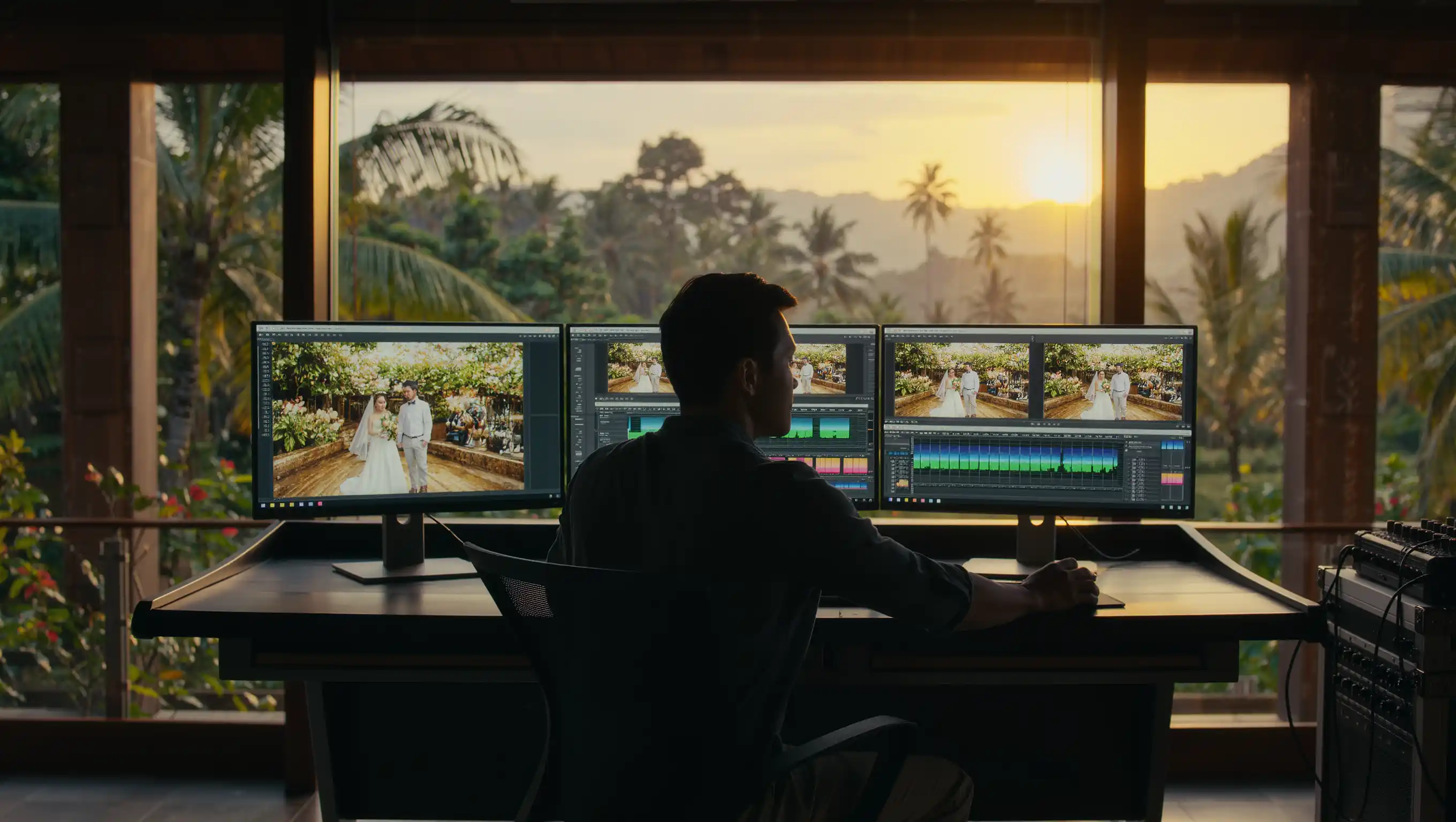
There’s a moment in post-production when a video stops looking like raw footage and starts looking like a film, and it almost always comes down to color. A wedding clip shot in flat afternoon light, a brand video captured across several locations, a travel reel shot over multiple days, all of it can be pulled into a single, cohesive mood once the color grading process begins.
If you’ve ever watched two videos shot on the same camera and wondered why one feels warm and cinematic while the other feels flat, the answer usually lies in video color grading services in Bali. In this article, you will learn what color grading actually involves, why it matters for videos shot in Bali specifically, and how to prepare footage so the grading process delivers the strongest possible result.
Key Takeaways
- Video color grading services in Bali refine the color, contrast, and mood of footage so it feels cohesive and intentional rather than raw and inconsistent.
- Bali’s tropical light and varied shooting conditions make color grading especially important for evening out footage captured across different times of day.
- This service serves wedding videographers, brand and travel content creators, and production teams needing a polished, cinematic finish.
- A strong grading process balances technical color correction with creative styling to match the tone the footage is meant to convey.
- Working with an experienced local team like Juara Production ensures the final video looks consistent, professional, and true to how the moment actually felt.
What Is Video Color Grading?
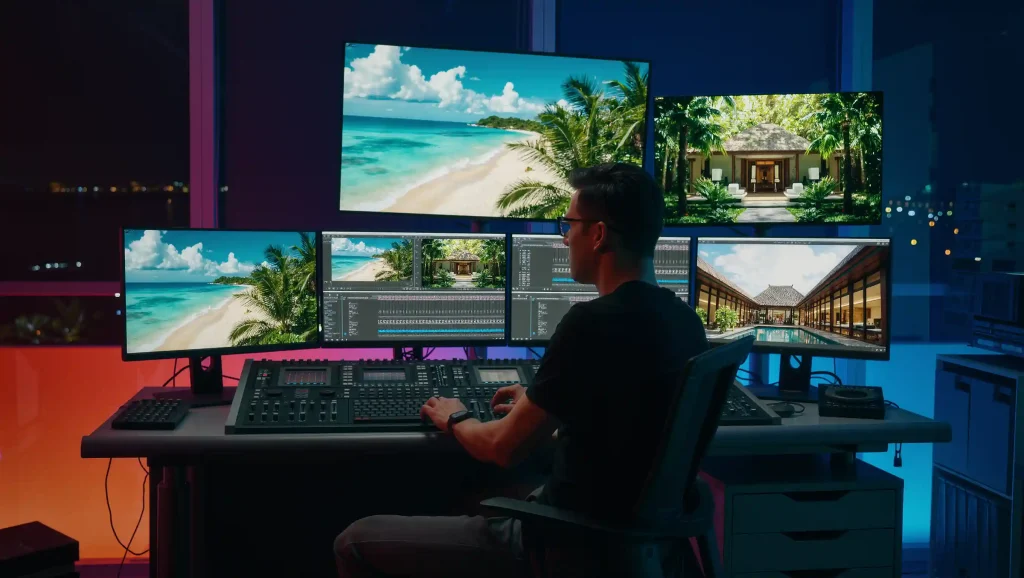
Video color grading is the post-production process of adjusting a video’s color, contrast, brightness, and overall tone to create a consistent visual style across all of its footage. It goes beyond basic color correction, which simply fixes technical issues like exposure or white balance, by applying a deliberate creative look that shapes how the footage feels to watch.
In Bali, color grading takes on added importance because footage is often shot across dramatically different conditions within a single project, bright midday beaches, dim indoor ceremonies, golden hour rooftops, and each of these settings can look visually inconsistent without careful grading. A colorist working with Bali footage needs to understand how to balance these variations while still preserving the natural warmth and vibrancy the island is known for.
Why Are Video Color Grading Services Important in Bali?
Bali’s videography scene spans everything from intimate weddings to large-scale brand campaigns, and in nearly all of these projects, footage is captured across multiple locations and lighting conditions. Before looking at the specific reasons grading matters, it helps to understand what happens to a video when this step is skipped or rushed.
- Creates Visual Consistency Across Mixed Footage
Clips shot at different times of day or in different locations can look jarring when placed side by side, and grading brings them into a unified tone. - Elevates the Emotional Impact of a Story
Subtle shifts in warmth, contrast, and saturation can make a scene feel more romantic, more dramatic, or more nostalgic, depending on the story being told. - Corrects for Bali’s Variable Natural Light
Tropical light changes quickly throughout the day, and grading helps smooth out these shifts so the final video doesn’t feel patchy or uneven. - Strengthens Brand Identity in Commercial Work
Businesses often want a consistent visual style across all their video content, and grading ensures every project matches that established look. - Improves Footage from Multiple Cameras or Shooters
Projects filmed with more than one camera or crew member often show slight color differences that grading can blend into a single cohesive look. - Adds a Polished, Professional Finish
Even technically well-shot footage benefits from grading, since it’s often the final step that separates amateur-looking video from something that feels genuinely cinematic.
Taken together, these reasons explain why color grading is treated as an essential stage rather than an optional extra in most professional video projects shot in Bali. It’s frequently the difference between footage that looks good and footage that feels finished.
Read more: Video Editing Services for Social Media Content Bali: Designed to Hold Attention
Core Elements of Stunning Video Color Grading in Bali
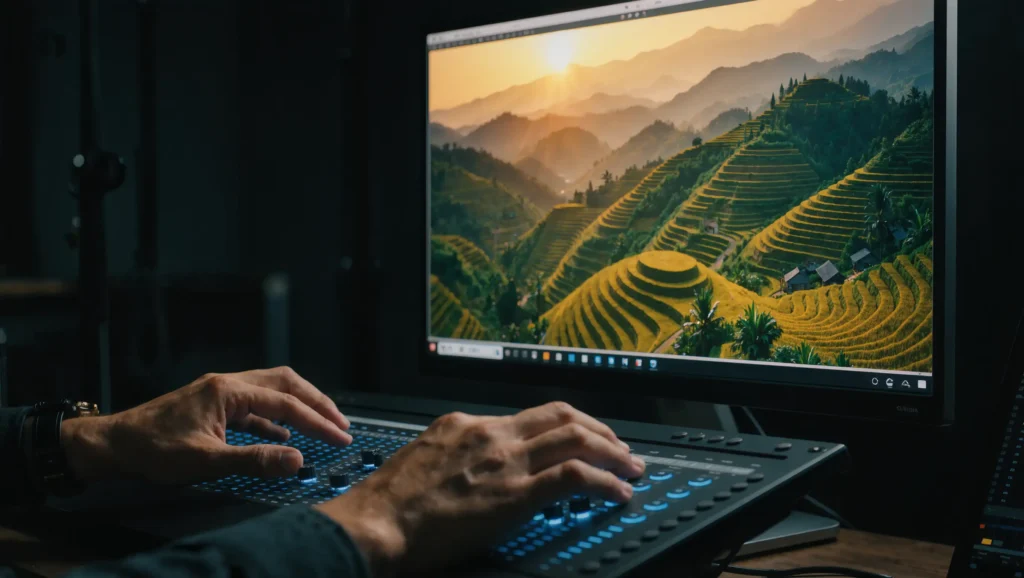
Strong color grading begins with a clear understanding of the footage’s shooting conditions. Colorists typically review clips from each location and time of day first, identifying where light, temperature, and exposure vary the most, so they can plan corrections that bring everything into a consistent baseline before any creative styling begins.
Creative look development comes next, where the colorist decides on an overall tone, whether that’s a warm, golden aesthetic suited to a beach wedding, a cooler, more editorial look for a brand film, or a naturalistic grade that stays close to how the scene actually appeared. This stage often involves close communication with the client or director, since the right mood depends heavily on the story the video is meant to tell.
Finally, consistency checks across the full edit ensure that every scene transition feels smooth rather than jarring. Colorists review the graded footage as a complete sequence rather than isolated clips, adjusting individual shots so skin tones, skies, and key colors stay stable throughout. The result is a video that feels like a single continuous experience rather than a patchwork of separately shot moments.
Who Are Video Color Grading Services in Bali Perfect For?
Because color grading applies to nearly any kind of finished video, it serves a wide range of clients rather than one specific type of project. What they generally have in common is footage shot across varied conditions that needs to be brought together into one cohesive final product.
Wedding videographers rely on grading to unify footage captured across an entire event, from bright outdoor ceremonies to dimly lit evening receptions, so the final film feels seamless from start to finish. Brand and marketing teams use it to maintain a consistent visual identity across campaign videos, ensuring every piece of content matches their established look regardless of when or where it was filmed.
Travel and lifestyle content creators depend on grading to give their footage a cinematic quality that stands out on social platforms, while larger production houses and agencies often build grading into their standard workflow to guarantee a polished result on every project they deliver. Whatever the type of project, the underlying need is the same: footage that looks intentional, consistent, and ready for its intended audience.
Tips for Getting the Best Video Color Grading Services in Bali
Getting strong results from color grading starts well before the footage reaches the colorist. Here are five ways to set your project up for a polished final result.
1. Shoot with Grading in Mind
Footage captured with a flatter, more neutral color profile gives colorists far more flexibility during grading than footage that’s already heavily stylized in-camera. Discussing camera settings with your videographer ahead of time can make a noticeable difference in the final quality of the grade. This small step early in production often saves significant correction work later on.
2. Keep Lighting Conditions Consistent Where Possible
While it’s not always avoidable, minimizing dramatic lighting shifts within a single scene makes the grading process smoother and the results more natural. Planning key shots around similar times of day, when feasible, reduces the amount of correction needed to match footage together. This is especially useful for scenes meant to feel like one continuous moment.
3. Share Reference Looks with Your Colorist
Providing example videos, films, or mood boards that reflect the tone you’re aiming for helps the colorist understand your vision from the start. Clear references reduce back-and-forth during revisions and speed up the overall turnaround time. Even a few reference clips can communicate a look far more precisely than a written description alone.
4. Review Footage in Context, Not in Isolation
When reviewing graded footage, watch it as part of the full sequence rather than judging individual clips on their own. A shot that looks slightly different in isolation may actually match perfectly once it’s placed alongside the surrounding scenes. This approach also helps catch any remaining inconsistencies before the final export.
5. Work with a Team That Understands Bali’s Light
Bali’s tropical lighting conditions behave differently from many other locations, and grading footage shot here benefits from a colorist who understands those specific challenges. A professional local team that regularly works with Bali footage will know how to balance golden hour warmth, indoor ceremony lighting, and bright midday exposure into one cohesive look. Juara Production’s post-production team brings exactly this kind of experience, pairing technical color expertise with a deep familiarity with how footage shot across the island actually behaves.
However a project comes together, thoughtful preparation before grading begins makes the final result stronger and the process itself far more efficient.
Read more: Video Editing Services for Hotels and Resorts Bali: Showcase Every Stay
Get Cinematic Video Color Grading Services in Bali with Juara Production
Raw footage tells part of a story, but color grading is often what turns it into something that truly feels finished. A thoughtful grade brings every scene into harmony, letting the mood of the moment come through exactly as it was meant to.
Juara Production brings together color grading expertise, local knowledge of Bali’s lighting conditions, and seamless coordination with videographers and production teams to make every project look its best. Explore our video editing services to see how we approach visual storytelling, and reach out whenever you’re ready to bring your footage to its full cinematic potential.

Frequently Asked Questions
Related Article
Five-Star Resort Photography in Bali: Elevate Your Stay in Timeless Frames
There’s a certain stillness that settles over a five-star resort...
There’s a certain stillness that settles over a five-star resort in Bali just after sunrise, when the infinity pool is...
Luxury Yacht Photography in Bali: Capture Your Journey in Timeless Style
There’s a particular kind of magic that happens the moment...
There’s a particular kind of magic that happens the moment a yacht slips away from Bali’s shoreline and the island...
Corporate Photography in Bali: Turning Company Retreats and Offsites into Lasting Brand Assets
Most companies that fly a team to Bali for a...
Most companies that fly a team to Bali for a retreat or offsite treat photography as an afterthought, something to...
