
Video Dubbing and Voice-Over Services Bali: Give Your Story a Voice That Resonates

Juara Production Editorial Desk
August 31, 2026
11 min read
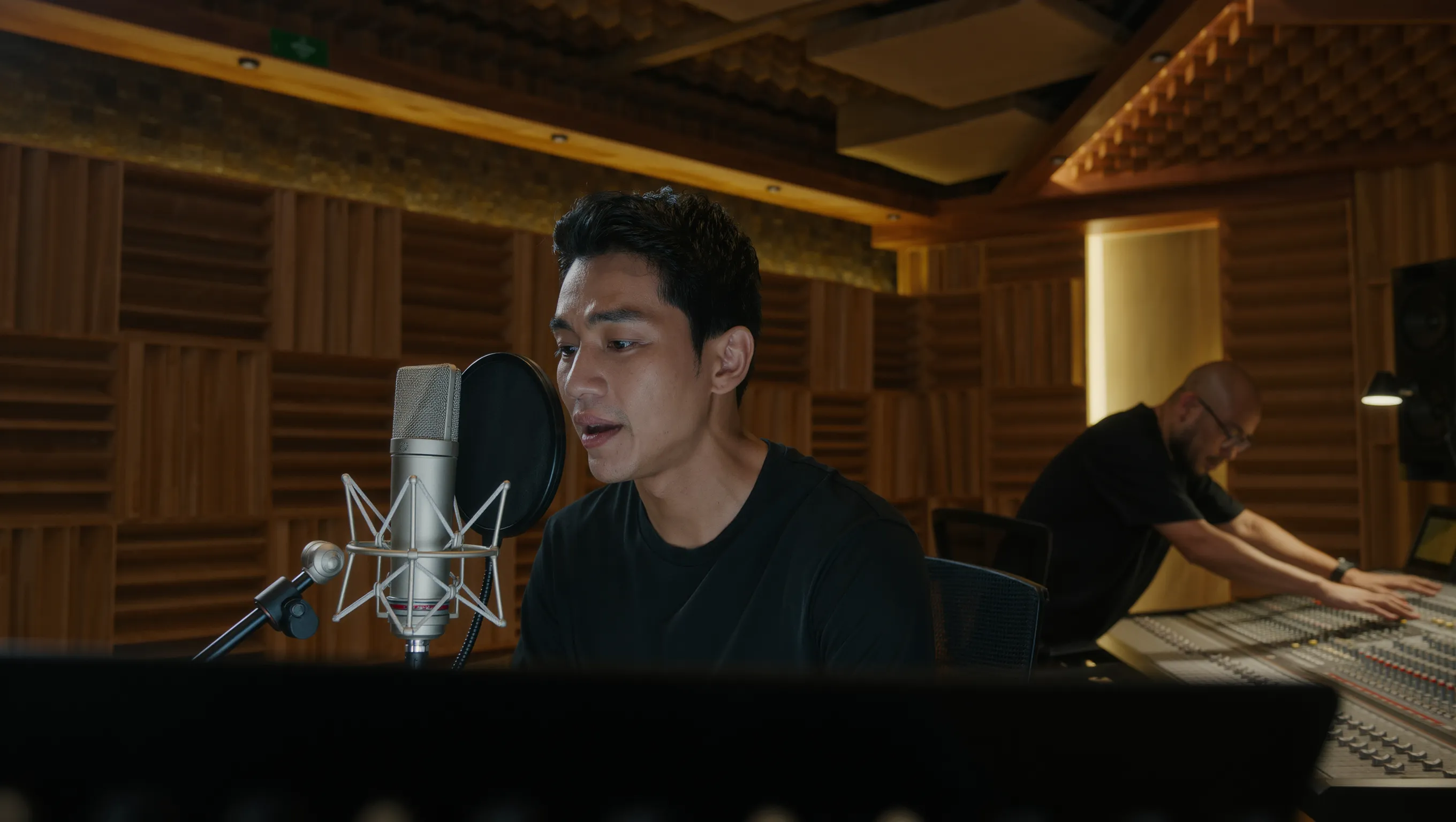
Bali has a way of speaking to people through its visuals: the layered rice terraces, the temple ceremonies at dawn, the quiet rhythm of village life. But a video without the right voice is only telling half the story. Video dubbing and voice-over services in Bali add or replace spoken dialogue and narration so your content matches local or international audiences, with multilingual delivery and culturally aware voice work that makes the final video feel complete.
That is exactly what this guide explores: what video dubbing and voice-over services are, why audio quality matters so much in Bali’s international market, what goes into professional dubbing, which types of clients benefit most, how to get more polished voice work, and how to work with a local production team to turn raw footage into a finished production that sounds as intentional as it looks.
Key Takeaways
- Video dubbing and voice-over services help brands, hotels, and creators in Bali connect with both local and international audiences through clear, well-produced audio.
- A strong voice-over can elevate tourism videos, wedding films, and corporate content without changing a single frame of footage.
- Bali’s multilingual audience, from Indonesian to English to Mandarin and beyond, makes localized dubbing especially valuable here.
- Quality dubbing depends on script adaptation, voice casting, studio-grade recording, and careful audio mixing, not just reading lines into a microphone.
- Juara Production offers expert video & content production services, working with a professional local production team ensures cultural nuance and timing are handled correctly, avoiding awkward or mistranslated results.
What Is Video Dubbing and Voice-Over Services?
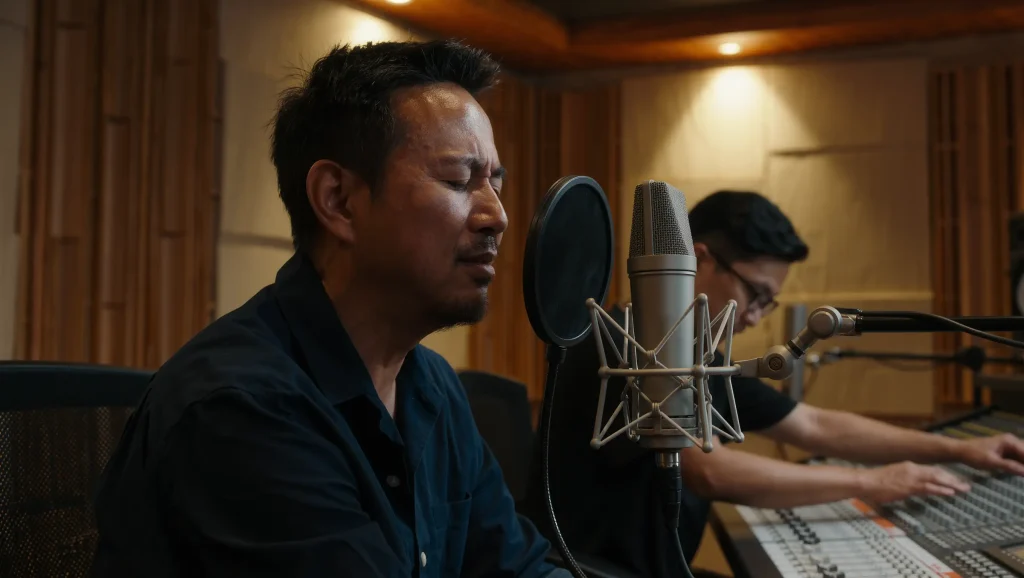
Video dubbing is the process of replacing the original voice track in a video with a new voice, often to adapt spoken content into another language, while voice-over refers to a recorded voice track layered over existing footage, typically used for narration, explainer content, or brand messaging rather than lip-synced dialogue. Both crafts rely on scriptwriting, voice talent, audio engineering, and translation services working together so the final sound feels natural rather than pasted on.
In Bali, this work carries an extra layer of complexity and opportunity. A single wedding film, hotel promo, or documentary short might need to speak to guests from Jakarta, Seoul, Sydney, and Berlin all at once. Video dubbing and voice-over services here are less about simply translating words and more about adapting tone, pacing, and cultural context so the message results in accurate translations that still sound natural in different languages.
Why Is Video Dubbing and Voice-Over Important in Bali?
Bali’s video industry has grown far beyond simple travel clips. Hotels, wedding videographers, tour operators, and content creators are all producing footage meant to travel across borders, and audio is often the piece that decides whether that footage actually connects, especially when multilingual dubbing improves communication with global audiences across YouTube and social media. Here’s why dubbing and voice-over carry so much weight for productions made on this island.
- Bali’s Audience Is Genuinely International
Tourists, expats, and destination wedding guests in Bali come from dozens of countries. A video that only works in one language limits its own reach before it even gets published. - Tourism and Hospitality Content Depends on Trust
Hotels, villas, and tour operators are selling an experience sight unseen. A warm, well-paced voice-over builds credibility in a way that text captions or subtitles alone cannot. - Wedding and Event Films Carry Emotional Weight
Couples and families often want their films narrated or subtitled for relatives who don’t speak the local language. A poorly dubbed track can undercut an otherwise emotional moment. - Location Audio Is Rarely Perfect
Wind, waves, temple bells, and traffic are part of Bali’s charm on camera but a challenge on the microphone. Voice-over and ADR (automated dialogue replacement) fix what location sound cannot. - Local Nuance Prevents Costly Mistakes
Direct translation without cultural context can lead to phrasing that sounds stiff or even unintentionally offensive. A team familiar with both language and local custom avoids that risk. - Content Repurposing Requires Flexibility
A single video often gets cut into reels, ads, and long-form content for other platform-specific edits. Clean, separately mixed voice tracks make it far easier to repurpose video content for YouTube, social media, and other formats without re-shooting.
Read more: Why Cinematic Video Production Matters for Brand Recognition? Find Out Here!
Core Elements of Stunning Professional Dubbing and Voice-Over in Bali
Great dubbing and voice-over work starts long before anyone steps into a recording booth. It begins with script adaptation, where a translator or copywriter reshapes the original wording so it reads naturally in the target language rather than sounding like a literal conversion. Choosing a provider also starts with defining language needs and any lip-sync requirements for the project. This step alone determines whether the final audio feels authentic or awkward, and it is often the most overlooked part of the process.
Voice casting comes next, and it matters more than most clients expect. The right voice carries the emotional register of the brand or story, whether that’s the soft warmth needed for a wedding film or the confident clarity needed for a corporate explainer. Pairing that voice with studio-grade recording, using proper acoustic treatment, soundproof vocal booths, and equipment, ensures the audio has no background hum, echo, or inconsistency between takes.
Finally, mixing and syncing bring everything together: aligning the voice track precisely with lip movements and lip sync for natural-looking dubbing, balancing levels against music and ambient sound, and mastering the final file so it plays consistently across devices, from a hotel lobby screen to a guest’s phone; some AI dubbing workflows can also preserve original background audio while replacing dialogue.
Who Is Video Dubbing and Voice-Over Services in Bali Perfect For?
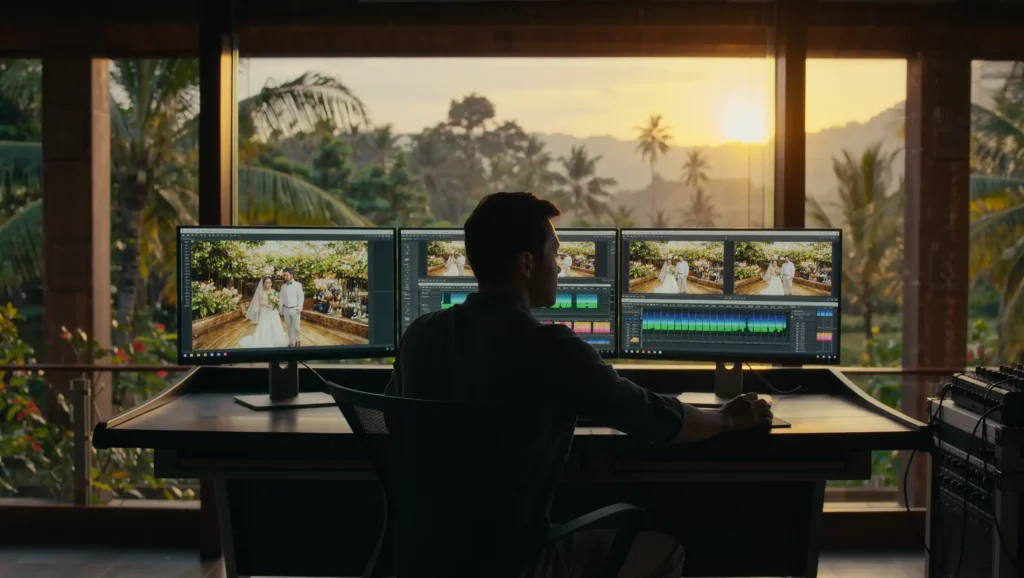
Not every project needs the same kind of voice work, but almost every video business in Bali eventually runs into a moment where the right audio makes or breaks the final result. These are the clients who tend to get the most value out of professional dubbing and voice-over.
- Hotels and Resorts
Properties looking to showcase their rooms, amenities, and guest experience to an international booking audience benefit from multilingual promotional videos. - Wedding and Pre-Wedding Videographers
Couples who want their highlight film narrated, subtitled, or dubbed for family members who don’t share the same first language. - Tour Operators and Travel Agencies
Businesses selling Bali experiences to overseas markets, where a localized voice-over builds trust faster than text alone. - Corporate and Marketing Teams
Companies producing training videos, marketing videos, product demos, presentations, explainer videos, e-learning content, or brand campaigns that need to reach both Indonesian and international staff or customers. - Content Creators and YouTubers
Creators filming in Bali who want to dub their content into multiple languages to grow a global audience on YouTube and social media. - Documentary and Film Productions
Independent filmmakers who shot on location and now need clean, professionally mixed dialogue or narration in post-production; depending on the brief, some projects call for traditional dubbing with voice actors, while others suit AI-supported workflows.
Tips for Stunning Video Dubbing and Voice-Over Services in Bali
Producing polished dubbing or voice-over is rarely about hiring a good voice and hitting record. It’s a sequence of small decisions, from how the script is written to how the final file is exported, and each one shapes whether the finished audio feels professional or noticeably patched together. These five tips cover the parts of the process that make the biggest difference for productions based in Bali.
Start With a Script Built for Speaking, Not Reading
Written copy and spoken copy behave very differently. A paragraph that reads well on a website can sound stiff, rushed, or unnatural the moment it’s read aloud, mainly because written language leans on punctuation and structure that don’t translate to speech. Before recording begins, the script should be rewritten with shorter sentences, natural pauses, and a rhythm that mirrors how someone would actually talk about the subject.
This is especially important for translated scripts, where a literal word-for-word conversion often creates phrasing that no native speaker would use casually, even if it’s technically correct, and spoken content also needs accurate translations that feel natural to the target audience in their native language. Strong multilingual content depends on native linguists, not just direct translation.
Choose Voice Actors That Match the Mood of the Footage
Voice casting is one of the most underrated steps in the entire process, and voice selection is really the work of matching tone, pacing, and style to the footage so the video lands the way it should. A bright, energetic voice that works beautifully for an upbeat travel reel can feel completely out of place narrating a slow, intimate wedding film, and the reverse is just as true.
Before committing to a voice, it helps to listen to a few sample lines read against the actual footage rather than judging the voice in isolation, since tone that sounds great on its own can still clash once it’s paired with visuals, music, and pacing. In some cases, teams may also use ai voices or voice cloning to preserve the original speaker’s voice when that better fits the brief. The goal is to find the perfect voice while keeping the right emotion for the scene.
Record in a Controlled Environment
Even highly experienced voice talent cannot fully compensate for a poor recording space. Professional recording is typically done in soundproof vocal booths to control echo and outside noise, because rooms with hard, reflective surfaces, like tiled hotel rooms or open-air pavilions common in Bali, tend to introduce echo, while nearby traffic, wind, or wildlife can bleed into the microphone in ways that are difficult to remove cleanly in post-production.
A properly treated studio, with acoustic panelling and consistent equipment across takes, ensures the recording stays clean and matches in tone from the first line to the last, which matters a great deal when multiple sessions are stitched together into one final track and delivered in formats such as wav, with mp3 wav also common for final audio.
Plan for Multiple Languages and Versions Early
Projects that anticipate needing more than one language almost always benefit from planning that from the start rather than treating additional languages as an afterthought, especially when creating multilingual content for global audiences across different languages. Scheduling recording sessions, budgeting for translation and adaptation, and briefing voice talent all become more efficient when every language version is mapped out before production begins.
Some ai dubbing tools now support over 170 languages for video content, which helps when many versions are needed at once. Adding a second or third language after the original has already been finalized often means re-timing the whole edit to fit new pacing, which takes considerably more time and cost than building that flexibility in from day one.
Work With a Professional Local Team Who Understands Both Language and Culture
Technical skill in recording and mixing only solves part of the equation. Bali-based projects, particularly those involving ceremonies, hospitality, or cultural storytelling, benefit enormously from a team that understands local customs, appropriate terminology, and the subtle cultural context behind certain phrases; when speed matters, local teams can also manage ai dubbing workflows, with some projects delivered within a few business days to support faster communication across languages.
A translator or director unfamiliar with these nuances can unintentionally produce a script that sounds tone-deaf or overly formal in a moment that calls for warmth, even if the grammar itself is accurate. Once the language and tone are right, that same local understanding can carry through to the final polish from clean voiceovers to a well-mixed soundtrack as part of a broader post-production services process that brings every element of the video together before it reaches your audience.
Read more: Instagram Reels Video Production for Resorts in Bali to Elevate Your Business
Create Content That Speaks Clearly with Juara Production
A beautifully shot video deserves audio that matches its quality. Video dubbing and voice-over services bring clarity, warmth, and reach to footage that might otherwise struggle to connect with an international audience, whether that’s a hotel promo, a wedding film, or a corporate campaign filmed on the island.
Juara Production’s creative team handles script adaptation, voice casting, studio recording, and final mixing under one roof, so your project moves from raw footage to a polished, multilingual final cut without juggling multiple vendors. Request detailed information on pricing, as costs vary by language count, runtime, and sync complexity.
Frequently Asked Questions
Related Article
Diving Beyond Komodo: Alor, the Banda Sea and the Anambas
Komodo earns its fame, but Indonesia’s dive map runs far...
Komodo earns its fame, but Indonesia’s dive map runs far wider. For divers who have already logged Manta Point and...
Indonesia’s Liveaboard Yachts and the Yards That Build Them
Indonesia’s liveaboard scene runs on the phinisi — the twin-masted...
Indonesia’s liveaboard scene runs on the phinisi — the twin-masted wooden vessel that has carried trade across the archipelago for...
Beyond Komodo: Why Raja Ampat Belongs on Your Indonesia Voyage
Travellers who fall for Komodo’s dragons and pink beaches often...
Travellers who fall for Komodo’s dragons and pink beaches often ask what comes next. For divers and luxury cruisers alike,...
