
Corporate Photography in Bali: Turning Company Retreats and Offsites into Lasting Brand Assets

Juara Production Editorial Desk
September 2, 2026
11 min read
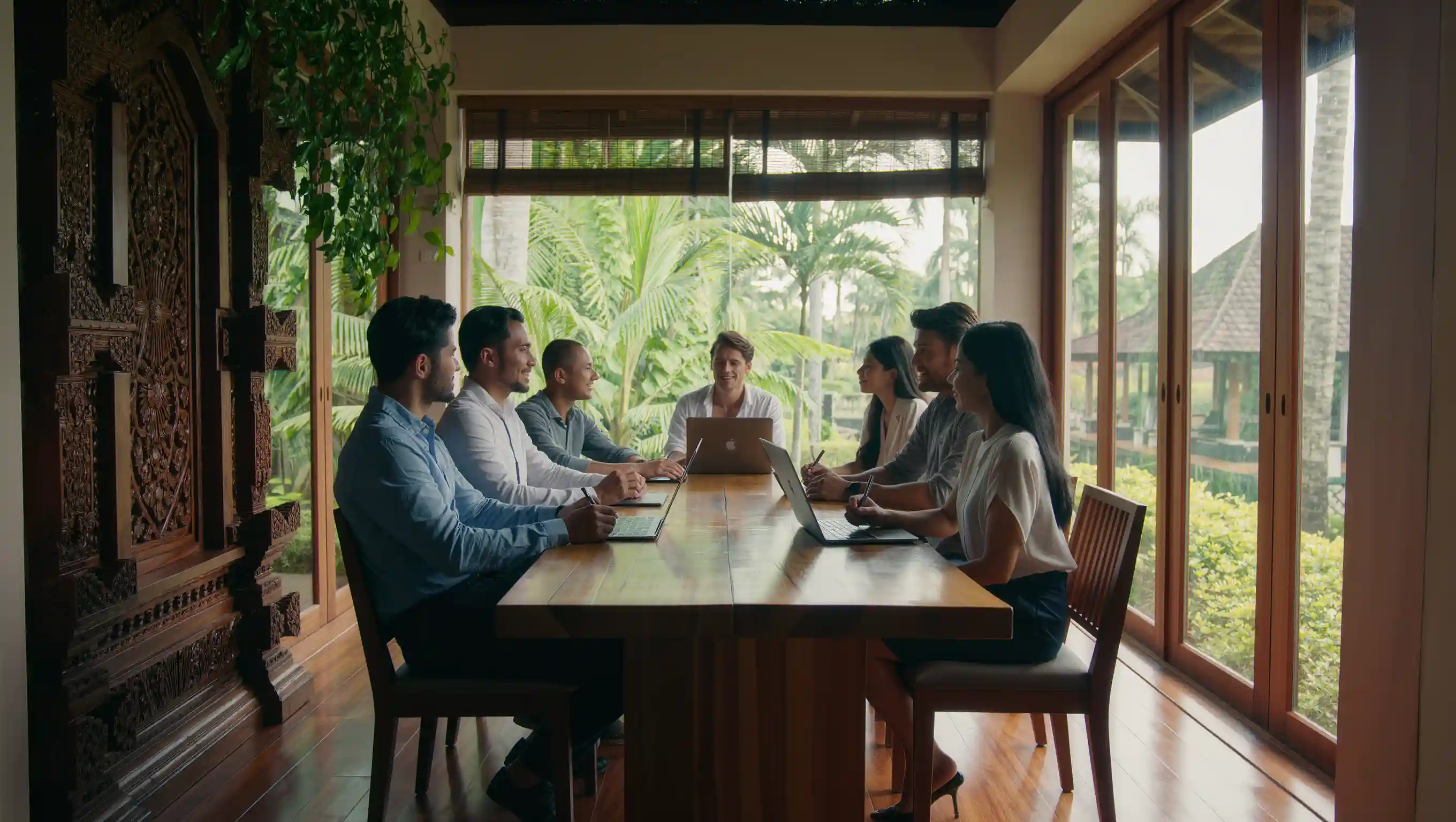
Most companies that fly a team to Bali for a retreat or offsite treat photography as an afterthought, something to squeeze in between sessions rather than something planned around from the start. By the time the trip is over, what usually exists is a scattered folder of phone photos and a handful of shots someone happened to take during the closing dinner. None of it is usable for a careers page, a LinkedIn post, or next year’s pitch deck.
That gap is exactly where corporate photography Bali companies increasingly plan for in advance becomes worth the investment. Rather than an add-on to the event itinerary, it is treated as a deliverable in its own right, one that turns a single week on the island into content a marketing and people team can draw on for the rest of the year. The difference between a retreat that produces usable brand assets and one that produces a pile of unsorted phone photos almost always comes down to how early photography was factored into the plan.
Key Takeaways
- A retreat or offsite in Bali is a one-time content opportunity, since the setting, the group, and the moment cannot be recreated once the team has flown home.
- Well-planned corporate photography from a retreat can supply a company’s careers page, social media, annual report, and internal communications for months afterward.
- Bali’s dry and rainy seasons directly affect what is achievable outdoors, so factoring this in early avoids scrambling for alternatives mid-event.
- Deliverables and usage rights, including turnaround time and how images can be used across channels, need to be agreed upfront rather than negotiated after the shoot.
- The right production partner, like Juara Production, plans coverage around the event agenda instead of working against it, which usually determines whether the retreat is captured well or merely recorded.
What Is Corporate Photography?
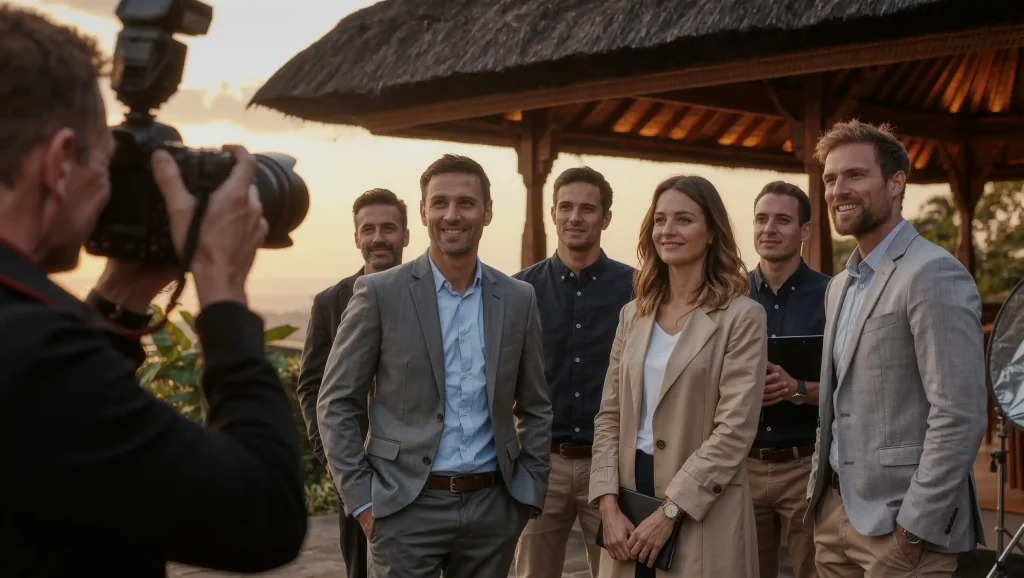
Corporate photography refers to professional imagery created for business purposes, including headshots, team portraits, event coverage, workspace documentation, and branded lifestyle shots used across websites, LinkedIn profiles, annual reports, and marketing materials. Unlike casual snapshots, it is deliberately composed, well-lit, and edited to reflect a company’s professionalism and values.
Within that broader category, retreat and offsite photography is its own discipline. It is not a single posed session but ongoing coverage across several days, moving between workshops, meals, excursions, and downtime, with the photographer working around a fixed agenda rather than dictating one. In Bali specifically, this often means adapting to villa layouts, resort schedules, and outdoor activities that were not designed with a camera crew in mind, which is a very different job from a controlled studio or office shoot.
Why Is Corporate Photography Important for Bali Retreats and Offsites?
Companies do not fly teams to Bali cheaply. Flights, accommodation, venue hire, and the time cost of pulling people away from their regular work all add up, which means the event itself needs to justify its cost well beyond the days it actually runs. Photography is one of the more direct ways to extend that value, turning a single trip into material that supports recruiting, marketing, and internal culture for months afterward.
- Justifies the Retreat Budget to Stakeholders
Leadership teams that approve travel and venue costs often want to see tangible outcomes, and a well-documented event gives HR and finance something concrete to point to. - Fuels Recruiting and Employer Branding Content
Photos from a genuine team retreat tend to perform better on careers pages and social media than staged office photography, because they show real culture rather than a constructed one. - Gives Remote-first Companies Rare In-person Content
For teams that operate mostly online, an annual gathering may be the only time all year a company can capture authentic group imagery, which raises the stakes for getting it right. - Supports Internal Communication and Reporting
Photos from offsites are frequently used in internal newsletters, all-hands presentations, and annual reports to demonstrate company culture and investment in the team. - Gives Marketing a Stockpile for The Year Ahead
A single well-shot retreat can supply months of social content, reducing the pressure to constantly generate new visual material between events.
Read more: 10 Corporate Video Production Trends 2026: What’s Next for Brands?
Core Elements of Stunning Corporate Photography in Bali
Coverage planning is where retreat photography starts to differ from a standard corporate shoot. Because the event runs across multiple days and locations, the photographer needs a loose shot list mapped against the agenda in advance, covering workshops, meals, excursions, and free time, so that nothing important gets missed simply because the crew was in the wrong place at the wrong moment.
Adaptability to weather comes next, and it matters more in Bali than in most other destinations. Sudden afternoon rain during the wet season, or harsh midday sun during the dry season, can derail an outdoor session with little warning. Experienced photographers build contingency options into the schedule, whether that means shaded backup locations or rescheduling a specific segment to catch better light later the same day.
Finally, fast and organized post-production matters more for retreats than for a single-location shoot, simply because of volume. A multi-day event can produce thousands of images, and sorting, editing, and delivering a usable, well-curated set quickly is what allows the content to actually get used while it is still relevant, rather than sitting untouched in a folder months later.
Who Is This Kind of Corporate Photography Perfect For?
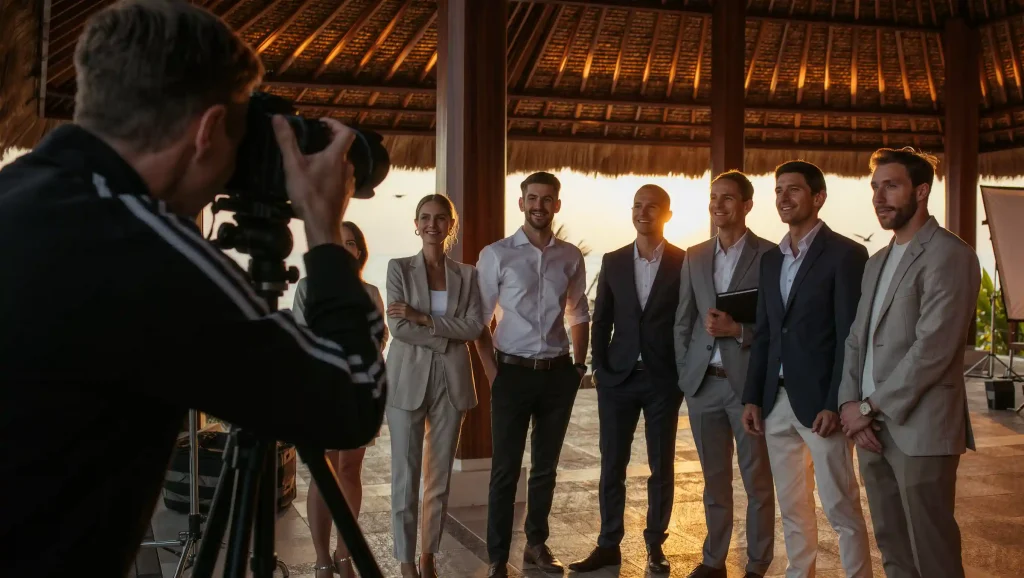
RetreatRetreat and offsite photography tends to matter most to teams and departments that need to justify an event’s cost or turn it into material for ongoing use elsewhere. What connects these groups is less about company size and more about how directly the resulting imagery feeds into recruiting, culture, or reporting.
HR and People teams organizing annual retreats often need documentation that supports employer branding and gives leadership a clear return on the retreat’s cost. Remote-first and distributed companies, meanwhile, tend to rely on these rare in-person gatherings as one of the only chances all year to produce authentic team content, since there is no physical office to fall back on for everyday photography. Marketing teams looking to build a content pipeline benefit in a similar way, using the trip to stockpile genuine, on-brand imagery they can draw from across the following months instead of scrambling for new material between events.
Event and MICE organizers coordinating conferences or incentive trips also lean on this kind of coverage, since it helps them demonstrate value to their own clients and sponsors after the event wraps up. Leadership teams preparing annual reports have a related need, looking for imagery that shows tangible investment in company culture and team development rather than generic stock photography. Finally, companies expanding into the Bali or wider APAC market sometimes use a retreat as a dual-purpose opportunity, producing imagery not only for internal
Tips for Stunning Corporate Photography During a Bali Retreat or Offsite
Retreat photography succeeds or fails largely on planning that happens before anyone boards a flight. Because the coverage runs across several days and depends on a fixed agenda that photography has to work around rather than control, the details below tend to matter more here than in a single-location corporate shoot, and skipping them is usually where things go wrong.
1. Share the Full Event Agenda in Advance
Send the photographer a detailed itinerary well before the trip, including workshop times, meal breaks, excursions, and free time. A retreat should be scoped like a multi-part photoshoot built around the agenda. Without this, coverage tends to cluster around whatever moments happen to be visible rather than the moments that actually matter for the brand.
A detailed agenda also allows the photographer to flag potential conflicts early, such as two important sessions running at the same time in different locations. Packages vary based on the length of the photoshoot, and some Bali photography sessions can last up to 8 hours. Catching these overlaps during planning, rather than discovering them mid-event, makes it possible to adjust coverage priorities before it is too late to change anything.
2. Plan Around Bali’s Seasons
Bali’s dry season, roughly April through October, offers more predictable outdoor conditions, while the wet season brings sudden afternoon showers that can disrupt outdoor sessions with little warning. Scheduling retreats with this in mind, or at least building weather contingencies into the agenda, reduces the risk of losing key outdoor shots entirely. In Ubud, coffee plantations and rice terraces are common outdoor backdrops, and both can look very different depending on weather and ground conditions.
Even during the dry season, midday light can be harsh enough to work against outdoor group photos, so it helps to identify a few shaded or covered backup locations at the venue ahead of time. This matters whether you’re planning sunset shots on Bali’s beaches or timing visits to well-known backdrops like the Bali Swing and Batu Lempeh Waterfall, which offers breathtaking photography opportunities. Having those options already scouted means a sudden shift in weather or light becomes a minor adjustment rather than a lost opportunity.
3. Agree on Deliverables and Usage Rights Upfront
Clarify turnaround time, file formats, and how the final images can be used, whether that includes internal use only, external marketing, paid advertising, or public press. A professional photographer should also specify whether edited files are delivered in high resolution. These details are easy to overlook during planning but become frustrating to negotiate after the shoot is already done.
It also helps to specify how quickly a curated highlight set is needed versus the full, unedited gallery. Some teams also prioritize fast delivery, with certain Bali providers sending highlights within 1–2 days. Marketing teams often want a handful of usable images within days of the event ending, while the complete edited set can follow on a longer timeline without holding up immediate content needs.
4. Balance Structured Moments with Candid Coverage
Build a few structured group photos into the schedule, such as a full team portrait or leadership lineup, but leave enough room in the agenda for the photographer to move freely and capture unscripted interaction throughout the rest of the event, since that is often where the most genuine moments happen.
Over-scheduling every moment tends to produce imagery that feels stiff and repetitive across the whole gallery. Giving the photographer discretion during less formal parts of the agenda, like meals or free time, is usually where people naturally feel comfortable, and where the most genuine and reusable content ends up coming from.
5. Work with a Team That Understands Retreat Logistics, Not Just Photography
Bali’s venue permissions, weather patterns, and multi-day event logistics are difficult to manage well without local experience, and companies should look for a professional Bali photographer who understands how retreats actually run so coverage supports the agenda instead of working against it.
Production teams with retreat-specific experience, like Juara Production, plan coverage around the event rather than treating each session as a separate booking. That difference tends to show up directly in the final gallery, including its visual storytelling, since it shapes how naturally the photography moves with the group instead of interrupting it. Juara Production offers dedicated corporate photography services built specifically around this kind of multi-day, agenda-driven coverage, giving companies a single team to plan with from the first briefing through final delivery.
Read more: Corporate Photography Bali for Professional Company Branding
Create Lasting Brand Assets from Your Next Bali Retreat with Juara Production
A retreat or offsite in Bali is a moment that cannot be recreated once the team has flown home, which makes photography one of the few ways to extend its value well beyond the trip itself. Planned properly, with the agenda, season, and deliverables considered in advance, that coverage becomes a resource a company can draw on for recruiting, marketing, and internal storytelling for months afterward, rather than a folder of unsorted photos nobody has time to sort through.
Juara Production works with companies planning retreats, offsites, and conferences in Bali, building coverage around the actual event agenda rather than treating photography as a separate task squeezed into the schedule. If your next team gathering on the island needs to produce more than memories, Juara Production Creative Production Services can help turn it into brand assets your marketing and people teams will still be using a year from now.

Frequently Asked Questions
Related Article

New Years Eve Event Photography Bali: Freeze the Final Moments of the Year
The final seconds of the year in Bali seem to...
The final seconds of the year in Bali seem to vanish in the blink of an eye. The countdown builds...
Year End Event Photography Bali: Capture the Season’s Final Celebrations
As the year draws to a close, Bali turns into...
As the year draws to a close, Bali turns into a warmly lit stage for celebration. String lights hang between...
New Year Party Videography Bali: Relive the Countdown in Motion
There’s a sound that defines a New Year’s Eve party...
There’s a sound that defines a New Year’s Eve party in Bali, the crowd’s voices rising together as the countdown...
