
Sunrise Photography Bali: How to Capture Magical Morning Light

Juara Production Editorial Desk
July 15, 2026
16 min read
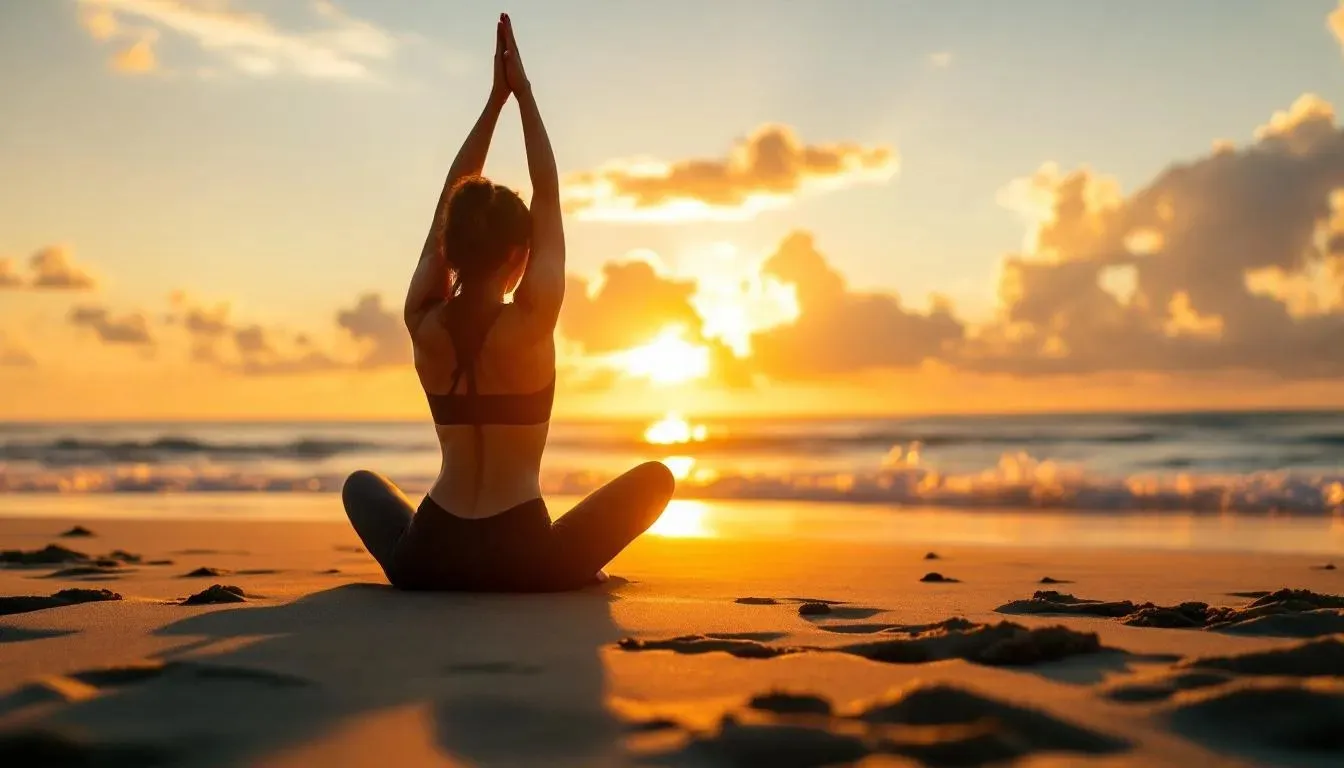
If you’re planning sunrise photography in Bali, the key is simple choose the right location, arrive early, and prepare your gear and logistics before the sun comes up. This guide is here to give you a thorough rundown of the very best sunrise spots, ideal timing, and practical tips so you can enjoy a smooth, memorable morning shoot in Bali whether you’re documenting your holiday or planning a professional photoshoot.
This guide will walk you through four core areas: why Bali’s sunrise conditions are so special, who sunrise shoots are best suited for, the main types of locations you can choose (from east‑coast beaches to rice terraces and temples), and the ideal timing, gear, and step‑by‑step planning workflow for a smooth session. You’ll also find a simple checklist for DIY travellers and clear situations when it’s worth bringing in a professional team like Juara Production to handle creative direction and production logistics
Key Takeaways
- Sunrise photography in Bali works best when you combine the right location, timing, weather, and simple preparation not just chasing colourful skies.
- Choose spots that match your photo goals: east‑coast beaches for sunrise over the ocean, rice terraces for layered landscapes, temples for dramatic silhouettes, and urban or lifestyle areas near your villa or hotel for everyday morning content.
- Always aim to arrive 30–45 minutes before the official sunrise time so you can capture blue hour, test your angles, and refine your composition without rushing.
- Bring essential gear: a camera or smartphone, a stable tripod or support, comfortable clothing for the cool morning, and a backup plan in case weather or access changes.
- DIY sunrise photography is ideal for casual travel, while a professional team like Juara Production is the go‑to choice when you want polished, stress‑free results for pre‑weddings, family sessions, or brand campaigns.
What Makes Sunrise Photography in Bali So Special?
Sunrise in Bali offers a unique blend of soft tropical light, dramatic natural backdrops, and a peaceful atmosphere that you rarely find at sunset. Instead of fighting for space on crowded beaches in the evening, you get clean horizons, gentler colours, and room to move and compose your shots. On the island’s eastern coastline, the first light appears behind offshore islands and volcanic silhouettes, while inland locations reveal mist drifting through rice terraces and river valleys for a more cinematic, layered scene.
As dawn approaches, Bali shifts into a slower, more intimate rhythm that adds story and emotion to your images. Fishermen begin launching traditional boats, markets quietly start setting up, and locals ease into their morning routines without the distraction of large tour groups. When you photograph at this hour, you’re not just capturing the sky, you’re documenting how the island wakes up combining light, landscape, and everyday life in a single frame.
Because of this combination of atmosphere and activity, sunrise sessions in Bali work incredibly well for a wide range of visual needs. Travel filmmakers and photographers can create documentary‑style sequences, content creators get consistent “golden hour” footage for social media, and couples can enjoy pre‑wedding or family portraits in flattering light with fewer onlookers. Brands, hotels, and lifestyle businesses also benefit from sunrise shoots, using the calm morning ambiance to showcase properties, products, and experiences in a way that feels refined, tranquil, and aspirational.
Read more: Recommended Shooting Locations in Bali: The Best Spots for Your Projects!
Who Is Sunrise Photography in Bali Best For?
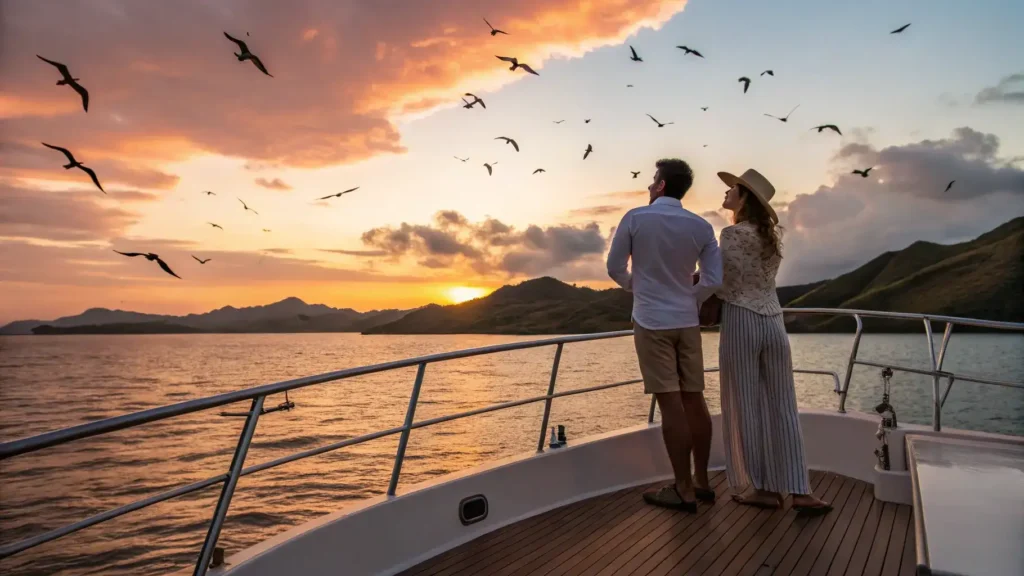
Sunrise photography in Bali is ideal for a wide range of visitors and brands who appreciate calmer locations, softer colours, and flattering natural light, rather than crowded viewpoints and harsh midday sun. It works especially well for solo travellers and couples seeking intimate, less touristy visuals, families who want warm, natural portraits in a comfortable morning climate, and content creators or influencers who need consistent “golden hour” footage for their social channels.
- Anyone who enjoys early mornings: If you don’t mind setting an alarm and planning around wake‑up time, sunrise sessions are often more comfortable than sunset. The air is cooler, the light is gentler, and many popular spots—especially beaches and viewpoints are far less crowded, making it easier to focus on getting strong images.
- Solo travellers and couples: Ideal for anyone who wants meaningful, less crowded photos that feel personal rather than touristy. Sunrise sessions give you space to experiment with poses and compositions without worrying about people in the background.
- Families: Perfect for warm, natural portraits in soft morning light, when kids are usually fresher and the temperature is more comfortable. Parents can relax knowing the light is gentle and the locations are quieter than during the day.
- Content creators and influencers: Great for creators who need visually consistent “golden hour” content for Instagram, TikTok, or YouTube. Shooting at sunrise helps you build a cohesive feed with soft tones, fewer harsh shadows, and cleaner compositions.
- Hotels, villas, restaurants, and lifestyle brands: Sunrise works beautifully for showcasing properties, pools, outdoor dining areas, and products in a fresh morning ambiance. The softer light and quieter surroundings help create high‑end visuals that feel calm, exclusive, and aspirational.
Best Sunrise Photo Spots in Bali That You Can Get!
Sunrise photography in Bali becomes much easier once you match your location to the type of photos you want to create. Different areas of the island offer different moods minimalist ocean horizons, lush terraced landscapes, temple silhouettes, or relaxed lifestyle scenes near your accommodation. Below are the main categories of sunrise spots, complete with example locations, so you can align your shoot plan with your travel or campaign goals.
1. Sunrise Beaches on Bali’s East Coast
Beaches along Bali’s eastern coastline are some of the most reliable places to watch the sun rise directly over the ocean, making them perfect for clean seascapes and soft, pastel skies. Popular sunrise locations include Sanur Beach, Karang Beach, and Matahari Terbit Beach on the southeast coast, as well as Candidasa and Amed further east. At these spots, you’ll often find calm morning seas, long reflections on the water, and the first light appearing behind offshore islands or Mount Agung’s silhouette.
Traditional fishing villages add extra character to your images around Amed, for example, jukung boats often head out around 5 AM, creating dynamic foregrounds and local activity in your shots. Compared with west‑coast hotspots like Canggu or Seminyak that specialise in sunset, east‑coast sunrise beaches tend to feel quieter, with fewer people on the sand and more space to work with wide‑angle compositions. If your main goal is minimalist ocean scenes or relaxed lifestyle photos on the beach, focus your research on east‑facing, accessible coastal areas such as Sanur, Amed, and Candidasa.
2. Rice Terraces and Hills for Sunrise Photography
If you want layered landscapes and a more cinematic feel, Bali’s rice terraces and hillside viewpoints are ideal for sunrise shoots. Classic locations include Tegalalang Rice Terrace near Ubud, Jatiluwih Rice Terraces in Tabanan, and rural areas around Sidemen in East Bali. In these environments, you can capture mist drifting through valleys in the early morning, leading lines formed by terrace edges, and distant mountain backdrops that gradually emerge as the light strengthens.
Tegalalang offers iconic stepped fields and narrow paths, great for both landscape frames and editorial‑style portraits, though it can get busy later in the day, making sunrise a strategic choice. Jatiluwih provides broader, more open views with sweeping terraces and fewer crowds, ideal for wide panoramas and drone work. Sidemen is known for its quieter rural atmosphere and views towards Mount Agung, giving you a more off‑the‑beaten‑path feel. Because these spots are not always right next to main roads, check access, parking, and travel time the day beforeespecially if you’re coordinating a group, talent, or production crew.
3. Sunrise at Temples and Viewpoints
Temple complexes and elevated viewpoints offer a dramatic, architectural way to capture sunrise, especially if your concept leans into culture and iconic landscapes. Well‑known locations include Pura Lempuyang (often associated with the “Gate of Heaven” view of Mount Agung), Pura Ulun Danu Beratan in Bedugul, and ridgeline walks like Campuhan Ridge Walk in Ubud. Many of these spots sit on higher ground or along ridges facing open horizons, allowing you to mix temple gates, statues, and traditional structures with sweeping views over valleys, lakes, or mountains.
At Pura Lempuyang, sunrise can create striking silhouettes of the candi bentar (split gate) with Agung framed in the distance, particularly on clear days. Ulun Danu Beratan offers a serene lakeside setting where morning mist and reflections add atmosphere to temple shots. Campuhan Ridge is excellent for more natural sunrise walks, combining rolling hills and lush vegetation with soft light great for lifestyle and couple portraits. Wherever you go, check local rules on photography, opening hours, and respectful behaviour, and plan enough time to park, walk, and reach the vantage point before first light.
4. Urban and Lifestyle Sunrise Spots in Bali
You don’t have to travel far into rural areas to enjoy strong sunrise visuals urban and lifestyle‑friendly locations work well, especially for shorter, more practical sessions. Around Sanur, the beachfront promenade and coastal path are easily accessible from many hotels and villas, making it simple to combine a sunrise walk with casual portraits, jogging shots, or brand‑friendly lifestyle content. In Nusa Dua, manicured beaches and resort zones offer clean, controlled environments for hospitality shoots and family photos.
Rooftops and terraces at villas and hotels in areas like Seminyak, Canggu, Uluwatu, and Ubud can also serve as sunrise backdrops, particularly when you want to showcase pools, private decks, breakfast setups, or remote‑work scenes. These spots are ideal for brands and travellers who prefer to stay close to their accommodation while still leveraging soft morning light. Urban and semi‑urban sunrise locations are especially practical for families, teams, and campaigns that require realistic wake‑up times, short transfers, and easy access to amenities without sacrificing that calm, early‑day atmosphere that makes sunrise in Bali so visually appealing.ise more realistic for families or teams who prefer a short stay near practical spots and shorter sessions close to their accommodation.
When Is the Best Time to Shoot Sunrise in Bali?
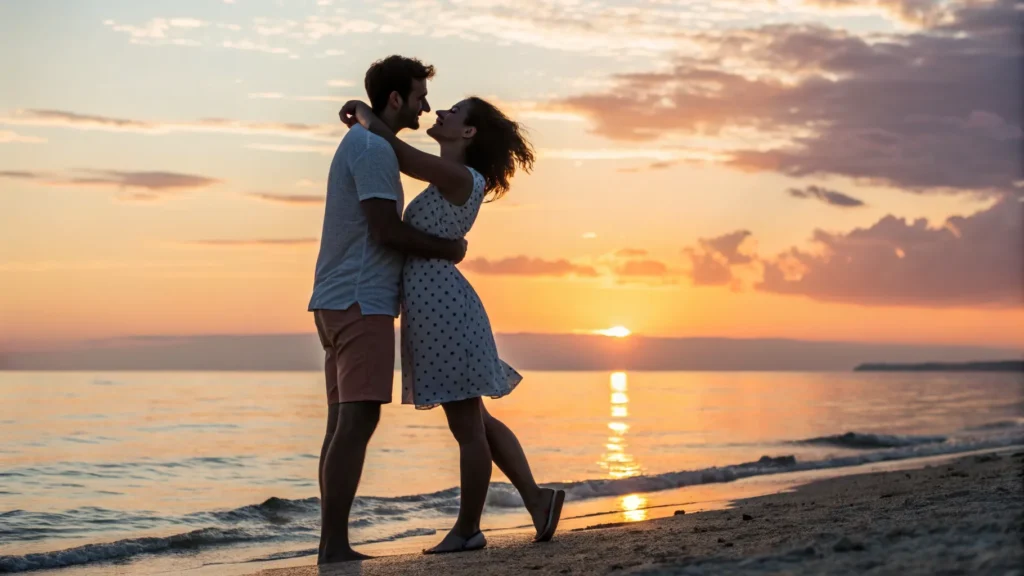
The best time to shoot sunrise in Bali is the short window when the sky transitions from deep pre‑dawn blue into warm, golden tones, and the island is just beginning to wake up. In practice, this means planning around the official sunrise time shown in your weather or astronomy app, then building in enough buffer to capture both blue hour and early golden hour.
1. Typical Sunrise Window and Light Changes
In Bali, sunrise generally falls early in the morning, roughly between just before 6:00 and shortly after, depending on the time of year. The exact time varies, so always check a reliable weather or astronomy app a few days before your shoot. Light changes rapidly during this window. Before the sun appears, you have blue hour, where colours are cooler and the sky has softer gradients. As the sun rises above the horizon, the scene shifts towards golden hour, with warmer tones and more direct light. Understanding these phases helps you decide whether you want
2. Seasonal and Weather Considerations
Season and weather play a big role in how your Bali sunrise will look, from sky colour to cloud drama and horizon clarity. During the dry season, you’re more likely to get clear horizons and consistent visibility, while the rainy season can deliver dramatic cloud formations, mist, and the occasional sudden shower great for moodier images but less predictable. Because conditions can change from day to day, it’s better to rely on up‑to‑date information than general assumptions.
3. How Early Should You Arrive for Sunrise?
Timing your arrival is crucial for a smooth, productive sunrise shoot in Bali. Aim to reach your chosen location about 30–45 minutes before the official sunrise time, then work backward to plan your wake‑up and departure. Arriving early gives you space to enjoy blue hour, scout the area, and settle into the environment instead of rushing when the best light is already disappearing. Don’t forget to factor in travel time from your accommodation, the walk from parking to the actual viewpoint, and a buffer for stairs, uneven paths, or narrow routes so you’re comfortably in position before the first light appears.
Read more: Nature Photography Bali: How to Capture Epic Landscapes
Sunrise Photography Bali Gear Checklist
Having the right gear for sunrise photography in Bali is less about owning the most expensive equipment and more about choosing tools that let you work confidently in low light, changing conditions, and varied landscapes. Think in terms of what you want to capture wide seascapes, intimate portraits, temple silhouettes, or layered rice terraces—and build a simple, reliable setup around that. This checklist covers cameras, lenses, support gear, and practical essentials to help you stay comfortable and focused on creativity during your early‑morning shoot.
1. Camera and Lens Options
Your camera is the foundation of your sunrise setup, but you don’t need top‑tier gear to get strong results in Bali’s morning light. What matters most is understanding how your device behaves in low light and using it in a way that fits the style of images you want. Modern smartphones with manual or “pro” modes already allow you to adjust exposure, ISO, and white balance for more intentional sunrise shots, while mirrorless and DSLR cameras give you greater control over exposure and dynamic range so you can balance bright skies with darker foregrounds.
For lenses, think in terms of usage rather than chasing every focal length: wide‑angle lenses work beautifully for broad seascapes, rice terraces, temple gates, and dramatic skies; mid‑range zooms or primes are ideal for lifestyle photos, couples, and portraits in soft morning light; and telephoto lenses help you compress distant mountains, isolate small details over the ocean, or stack layered hills for a cinematic feel. The key is to review what you already own and plan your compositions around your gear’s strengths, instead of feeling pressured to carry every lens you can find.
2. Support Gear and Accessories
Support gear keeps your images sharp and gives you more creative flexibility when you’re working in low light during blue hour and early golden hour. A stable tripod or compact travel tripod makes it easier to shoot long exposures, maintain low ISO settings, and refine your framing without blur. Using a remote shutter release or simply your camera’s 2‑second timer helps minimise camera shake when you press the shutter, especially for slower shutter speeds.
Extra batteries and memory cards are important because shooting in low light and in RAW format typically consumes more power and storage than casual daytime photography. Optional filters, such as neutral density or polarising filters, can be useful if you already understand how they affect long exposures, reflections, and colour rendering; they’re helpful tools for creative control, but not essential if you’re still getting comfortable with sunrise shooting. With these accessories in place, you can focus more on composition and timing, knowing your setup can handle pre‑dawn and early‑morning conditions reliably.
3. Practical Essentials for Sunrise Shoots in Bali
Beyond technical equipment, a few practical items can make your sunrise session significantly more comfortable and help you stay focused on the shoot instead of the elements. Early mornings in Bali can be cooler, damp, or occasionally unpredictable, particularly near beaches, lakes, rice fields, or higher‑elevation viewpoints. Packing a light jacket or an extra layer keeps you comfortable when the air feels chilly, while wearing comfortable shoes suitable for sand, paths, stairs, and uneven terrain lets you move safely in low light.
Insect repellent is valuable if you’re shooting close to water or vegetation where mosquitoes are more active at dawn. Bringing water and small snacks is wise for longer sessions or when you’re in remote areas where cafés open later in the morning. Finally, simple rain protection for you and your gear such as plastic covers, a small umbrella, or a poncho prepared the night before ensures you’re ready if the weather unexpectedly shifts. With these practical essentials sorted, you can concentrate on capturing Bali’s sunrise rather than worrying about basic comfort and changing conditions.
Do You Need a Professional Photographer for Sunrise in Bali?
Deciding whether you need a professional photographer for sunrise in Bali comes down to how important the final images are and how much you enjoy handling the shoot yourself. Many travellers are perfectly happy with a DIY approach, using their own phone or camera to capture personal memories and social‑media‑ready shots. Others prefer the peace of mind and polished results that come with hiring a dedicated sunrise photographer or production team, especially for milestone moments or brand campaigns.
- When DIY Sunrise Photography Is Enough
DIY sunrise photography is a great option if your main goal is personal travel memories or casual content for social media. It works best when you’re comfortable experimenting with your phone or camera, trying different angles, and learning from trial and error as the light changes. - When a Professional Sunrise Photographer Makes Sense
Hiring a sunrise photographer or production team in Bali is worth considering when you need polished, consistent, and stress‑free results. This is especially true for pre‑wedding and engagement shoots, where every frame matters and visual storytelling is key. - What a Professional Team Actually Handles For You
A dedicated sunrise photography team takes care of far more than technical settings. They can handle location scouting, secure permits when needed, plan safer routes, and suggest accommodations close to sunrise spots if your choice of stay affects the shoot. During the session, they guide posing, movement, and timing to suit the evolving morning light, making it easier for you to relax and focus on enjoying the experience.
Making Sunrise Photography in Bali Worth the Early Wake‑Up
Sunrise photography in Bali is one of those experiences that feels demanding at first early alarms, quiet roads, cool air but rewarding once you see your images. With the right location, timing, and simple preparation, you can turn a single morning into a set of photos that capture both the island’s landscape and its everyday rhythm. Use this guide as a planning tool, define your goals, choose suitable spots, prepare gear and logistics, and give yourself enough buffer time before the sun appears.
If the route is long or the wake-up feels especially demanding, it can help to spend a night nearby. If you eventually decide that you want stress‑free planning, more complex concepts, or polished results for a milestone or campaign, you can explore working with a local photography team in Bali such as Juara Production. The combination of clear preparation and the island’s morning light is what turns “sunrise photography Bali” from a search term into real, memorable visuals.

Frequently Asked Questions About Sunrise Photography Bali
Gear: camera or smartphone, tripod or support, spare battery or power bank, memory card space. Logistics: wake‑up time, transport arrangements, map pins for the location, and a backup spot. Comfort: suitable clothing, water, small snacks, insect repellent, and simple rain protection. A short checklist the night before usually prevents most common problems, and it also helps to read local access rules or site guidance so you avoid simple issues at the viewpoint; before sleeping, check your battery, memory space, and transport booking.
Related Article
Corporate Christmas Party Photography Bali: Capture Your Team’s Brightest Night of the Year
When December arrives, Bali takes on a different glow. Fairy...
When December arrives, Bali takes on a different glow. Fairy lights wrap around frangipani trees, long dinner tables stretch across...

New Years Eve Event Photography Bali: Freeze the Final Moments of the Year
The final seconds of the year in Bali seem to...
The final seconds of the year in Bali seem to vanish in the blink of an eye. The countdown builds...
Year End Event Photography Bali: Capture the Season’s Final Celebrations
As the year draws to a close, Bali turns into...
As the year draws to a close, Bali turns into a warmly lit stage for celebration. String lights hang between...
