
How CRM Benefits Business: Boost Customer Experience & Loyalty

Juara Production Editorial Desk
January 8, 2026
12 min read
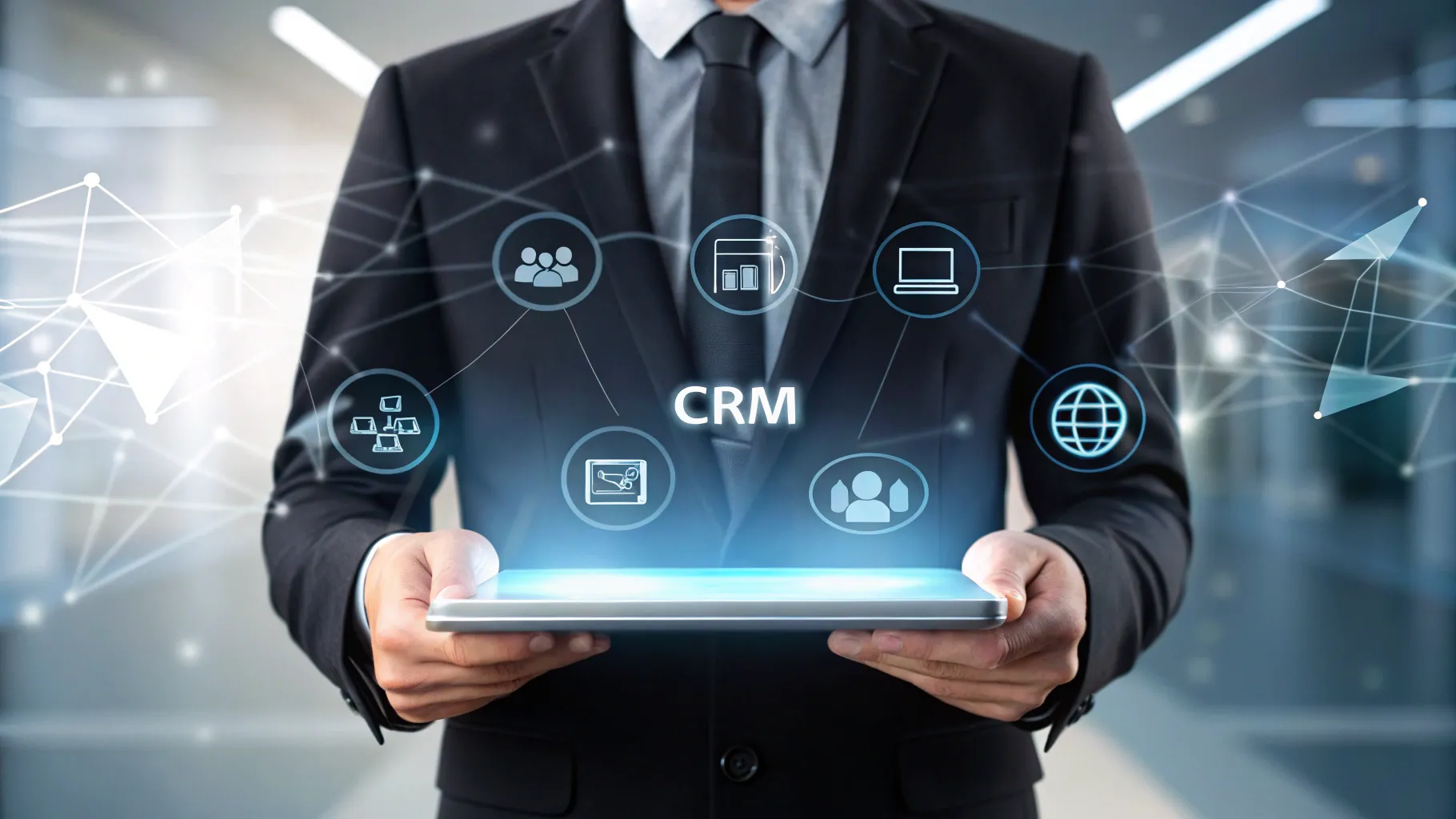
In today’s fast paced business world, building strong relationships with customers is the key to long term success. How CRM benefits business goes beyond just managing customer data; it’s about creating amazing experiences and customer loyalty. By using the right CRM system, businesses can understand customer needs better and deliver more personalised and relevant services which in turn boosts customer satisfaction and directly supports your business’s success.
This article will show you how CRM can help your business thrive. We’ll explore the different ways CRM enhances the customer experience, long term relationships and loyalty. Don’t miss out on these valuable insights that can help you get the most out of CRM for greater success. Keep reading to learn more
What is Customer Relationship Management (CRM) and Why is It Important for Your Business?
CRM, or Customer Relationship Management, is a system to help businesses manage and improve their interactions with customers. Also known as customer management systems, CRM tools are designed to organize contacts, automate follow-ups, and increase sales efficiency. A crm system works by centralizing customer data from various channels such as websites, phone calls, emails, and live chats, streamlining customer relationships and enhancing the overall customer experience.
In today’s digital world, customers are more than just buyers – they are valuable assets that need to be understood and nurtured. CRM systems gather and organise important information about each customer including purchase history, preferences and how they like to be communicated with. By having all this data in one place, businesses can understand what their customers want and deliver more personalised services. Additionally, CRM systems can segment customers based on specific criteria, allowing businesses to create more targeted and effective marketing efforts. CRM tools within these systems help streamline business processes, facilitate better analytics, and enable faster, more personalized communication across different departments and customer interactions.
A key benefit of CRM is that it gives businesses a complete view of each customer. This means companies can track past interactions, anticipate customer needs and offer the right services at the right time. For example a CRM system might remind a business when a customer is due for a follow up call or when they need a product update. This helps businesses stay ahead of their customers needs and create a positive experience. Moreover, CRM systems enhance the ability to forecast sales by analyzing historical customer data and trends, enabling businesses to plan more effectively. CRM also manages the entire customer life cycle, from first contact to post-purchase engagement, ensuring a consistent and high-quality customer experience. Maintaining detailed customer history within the CRM is crucial for delivering personalized and consistent service.
CRM also improves team collaboration. By having all customer information in one system, everyone from sales to customer service can access the same data. This ensures consistency and avoids mistakes like sending multiple messages to the same customer. Teams can work together more efficiently and provide better service. A crm platform enables better collaboration and data sharing, connecting with other business apps and enhancing transparency within an organization. Comprehensive CRM features also allow for automation of routine tasks, which improves overall productivity across teams and ensures smoother operations.
Another benefit of CRM is automation. It can automatically handle tasks like sending emails, reminders and follow ups, so businesses can save time and focus on more important things. CRM technology automates these tasks and improves operational efficiency across departments. For example a CRM can send personalised birthday messages or special offers to customers without any extra effort. When customers feel looked after and valued they will be more likely to stay loyal and recommend your business to others. This leads to more sales and growth. In the end CRM helps businesses deliver better customer experiences, build trust and maintain long term relationships that drive success. A key crm benefit is improved communication and customer retention, which supports business growth.
Types of CRM

Customer Relationship Management (CRM) systems come in several types, each designed to address specific business needs and enhance customer interactions. The three main types of CRM are operational, analytical, and collaborative CRM.
- Operational CRM is focused on streamlining and automating day-to-day business processes related to sales, marketing, and customer service. By centralizing customer data and automating routine tasks, operational CRM systems help businesses deliver a smoother customer experience and improve efficiency in every customer interaction.
- Analytical CRM takes customer data and transforms it into actionable insights. By analyzing trends, purchase history, and customer preferences, analytical CRM systems enable businesses to make informed decisions, identify new opportunities, and tailor their strategies for better results. This type of CRM is essential for businesses that want to understand their customers on a deeper level and anticipate their needs.
- Collaborative CRM ensures that all departments—sales, marketing, and customer service—have access to the same information about each customer. By sharing customer data across teams, collaborative CRM systems help businesses provide better customer support and ensure everyone is on the same page. This leads to more consistent communication and a unified approach to managing customer relationships.
Understanding the different types of CRM systems is crucial for selecting the right CRM solution that aligns with your business’s customer relationship management goals and delivers the best possible experience for your customers.
Read more: What Is Bounce Rate and Why It Matters for Your Website Performance?
How CRM Enhances Customer Experience & Loyalty
In today’s competitive business world creating an amazing experience for customers is key to retaining their loyalty. By using a Customer Relationship Management (CRM) system businesses can build closer more personal relationships with customers and ultimately improve their satisfaction and loyalty. CRM supports the entire customer journey by enhancing each touchpoint, ensuring customers feel valued at every stage. Here’s how CRM can enhance the customer experience and strengthen loyalty.
- Targeted Personalisation
One of the main benefits of CRM is that it gathers and analyses customer data. This valuable information provides insights that allows businesses to communicate with customers in a more personalised way. CRM enables personalized messaging, allowing marketing teams to target specific audiences for more effective engagement. For example if a customer buys a particular product or shows interest in a specific category CRM allows you to offer them tailored recommendations or special offers that match their needs. This makes customers feel valued and increases the chances they will come back and buy again. By making customers feel valued through targeted personalisation, CRM increases the likelihood of repeat customers. - Consistent and Smooth Communication
CRM helps maintain consistent and smooth communication with customers across all channels, email, social media or direct messaging. All customer data is stored in one centralised system so your team can respond faster and more accurately to inquiries or issues. For example if a customer contacts customer service the team can immediately access their purchase history and preferences and provide more accurate answers and reduce wait time. This creates a better experience for customers as they feel prioritised. - Building Long Term Relationships
CRM plays a big role in building long term relationships with customers. With this system businesses can remind customers of important events, their birthdays or send thank you messages after a purchase. CRM also allows for automation of loyalty programs, sending special offers or discounts based on past customer behaviour. This creates stronger bonds and increases the chances customers will come back and buy again. By offering more personalised and regular attention, CRM helps create loyal customers who are more likely to return. By offering more personalised and regular attention customers feel appreciated and this strengthens their loyalty to your business. After discussing repeat purchases, it’s important to note that repeat customers spend more than new customers, highlighting the value of retention.
In conclusion, CRM not only enhances the customer experience but also improves customer retention by fostering loyalty and satisfaction throughout the customer journey.
How CRM Benefits Business
In today’s complex business world operational efficiency is one of the key factors for long term success. One of the best ways to boost efficiency is by implementing a Customer Relationship Management (CRM) system. CRM not only helps manage customer relationships but also provides several direct benefits that can improve your business operations. Here are some of the benefits of CRM for business operations.
- More Efficiency and Productivity
One of the biggest benefits of CRM is it reduces manual tasks. Routine tasks such as data entry, automated email sending and meeting scheduling can be automated with CRM. By automating these tasks your team no longer has to spend time on repetitive administrative work and can focus on more valuable and creative work. This boosts operational efficiency and allows your business to move faster and be more productive. CRM software also visualizes customer data through dashboards, making it easier to analyze trends and key performance indicators. - Alignment Between Sales and Marketing Teams
One of the biggest challenges for many businesses is ensuring their sales and marketing teams are working with the same information. CRM allows both teams to share important data about prospects and customers, so they can work better together. For example the marketing team can send more targeted promotional materials based on customer purchase history and the sales team can follow up with a more personal approach. This alignment between teams means more effective marketing campaigns and higher sales opportunities. - Data-Driven Decisions
CRM provides tools to analyse customer data in-depth. Using the reports and analytics generated by the CRM system businesses can easily identify market trends, understand customer behaviour and plan more targeted strategies. For example data about products purchased by customers can help refine marketing strategies. With more accurate and timely information you can make more informed decisions in marketing, product development and sales planning. - Cost Efficiency
Implementing a CRM system not only saves time but also reduces operational costs. With automation in many processes businesses can reduce the need for labor focused on administrative tasks like data input or routine email sending. This reduces the costs associated with those tasks and allows the business to focus on more strategic value added activities.
How to Choose the Right CRM for Your Business

Choosing the right CRM system is key to improving customer relationships, boosting sales and streamlining operations. But with so many options available it can be hard to know which one is right for your business. Tailored CRMs are available for various business types, including product-based and service-based industries, ensuring that businesses can find a solution that fits their specific needs. Here are some simple steps to help you choose the right CRM.
- Assess Your Business Needs
Start by understanding your business needs. Do you need a tool mainly for sales management, marketing or customer service? Or do you need an all-in-one solution? Knowing your primary requirements will help you choose a CRM with the right features. For example if you focus on sales choose a CRM with sales pipeline management. If customer service is your priority, look for a system with strong support features. CRM systems can also help customer service teams deliver better support by providing quick access to customer information and history. - Look for Key Features
When choosing a CRM make sure it has basic features like managing customer data, tracking interactions, marketing automation and analytics. You want a CRM that understands customer behaviour and allows easy communication. Also check if the CRM can integrate with other tools you’re already using like email marketing or accounting software. It is important that the CRM allows your customer service team to easily access and share customer data, which improves collaboration and response times. - Consider Pricing and Support
Price is important but it’s not just about the initial cost. Consider long term maintenance costs and the level of customer support available. Make sure the provider offers quick and effective support whether through email, phone or chat. This means you can get help when you need it. A good CRM will also help your business deliver high quality service to customers by enabling efficient and personalized support. - Popular CRM’s
Some popular CRM’s include Salesforce, HubSpot and Zoho. Salesforce is feature rich but can be expensive. HubSpot offers a free CRM with basic features ideal for small business. Zoho CRM is an affordable option with many features perfect for businesses that need a budget friendly solution. Different CRM platforms offer various features tailored to different business needs, so it’s important to compare options to find the best fit for your company.
Read more: What Does Redesign Website and Why Does It Matter?
Grow Your Business with Juara Production!
CRM is an essential tool for businesses looking to improve customer experience and build loyalty. With automation, data driven insights and personalisation of customer interactions CRM helps businesses stay competitive and grow. So if you haven’t got a CRM system yet now is the time to start thinking about how this system can support the long term success of your business.
Juara Production offers CRM solutions that can help your business grow faster. By using CRM Setup and Marketing Automation Services, you can improve customer experience, strengthen loyalty and maximise operational efficiency. We provide CRM services tailored to your business needs so you can manage customer relationships and get insights to improve overall business performance.
Get in touch with us and find the right CRM for your business. With our expertise Juara Production can help you optimise CRM usage to drive growth of your business.

Related Article

Corporate Christmas Party Photography Bali: Capture Your Team’s Brightest Night of the Year
When December arrives, Bali takes on a different glow. Fairy...
When December arrives, Bali takes on a different glow. Fairy lights wrap around frangipani trees, long dinner tables stretch across...

New Years Eve Event Photography Bali: Freeze the Final Moments of the Year
The final seconds of the year in Bali seem to...
The final seconds of the year in Bali seem to vanish in the blink of an eye. The countdown builds...

Year End Event Photography Bali: Capture the Season’s Final Celebrations
As the year draws to a close, Bali turns into...
As the year draws to a close, Bali turns into a warmly lit stage for celebration. String lights hang between...
